





































As Denver continues to expand outward, new subdivisions are increasingly being built alongside open space, greenbelts, and undeveloped land. While these areas offer beautiful views and access to nature, they also create ideal conditions for wildlife encounters. At Animal & Pest Control Specialists, we frequently hear from homeowners in newer Denver neighborhoods who are surprised to find raccoons in their garages, skunks under their decks, or coyotes passing through their streets at night.
These encounters are rarely random. New construction, fresh landscaping, unsecured trash bins, and incomplete fencing unintentionally create a welcoming environment for wildlife. Understanding why animals are drawn to new subdivisions—and how to reduce those attractions—can help homeowners protect their property while coexisting responsibly with local wildlife.
When land is cleared for new construction, wildlife does not disappear. Instead, animals adapt. Raccoons, skunks, and coyotes are highly intelligent and resourceful species that quickly learn to navigate changing environments. New subdivisions near open space often sit directly within established wildlife travel corridors.
Several factors make new developments especially appealing:
From a wildlife perspective, a new subdivision offers food, water, and shelter in close proximity—exactly what animals need to survive. In Denver, where urban growth frequently borders natural habitat, these overlaps are becoming more common.
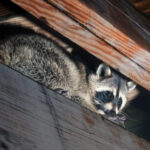
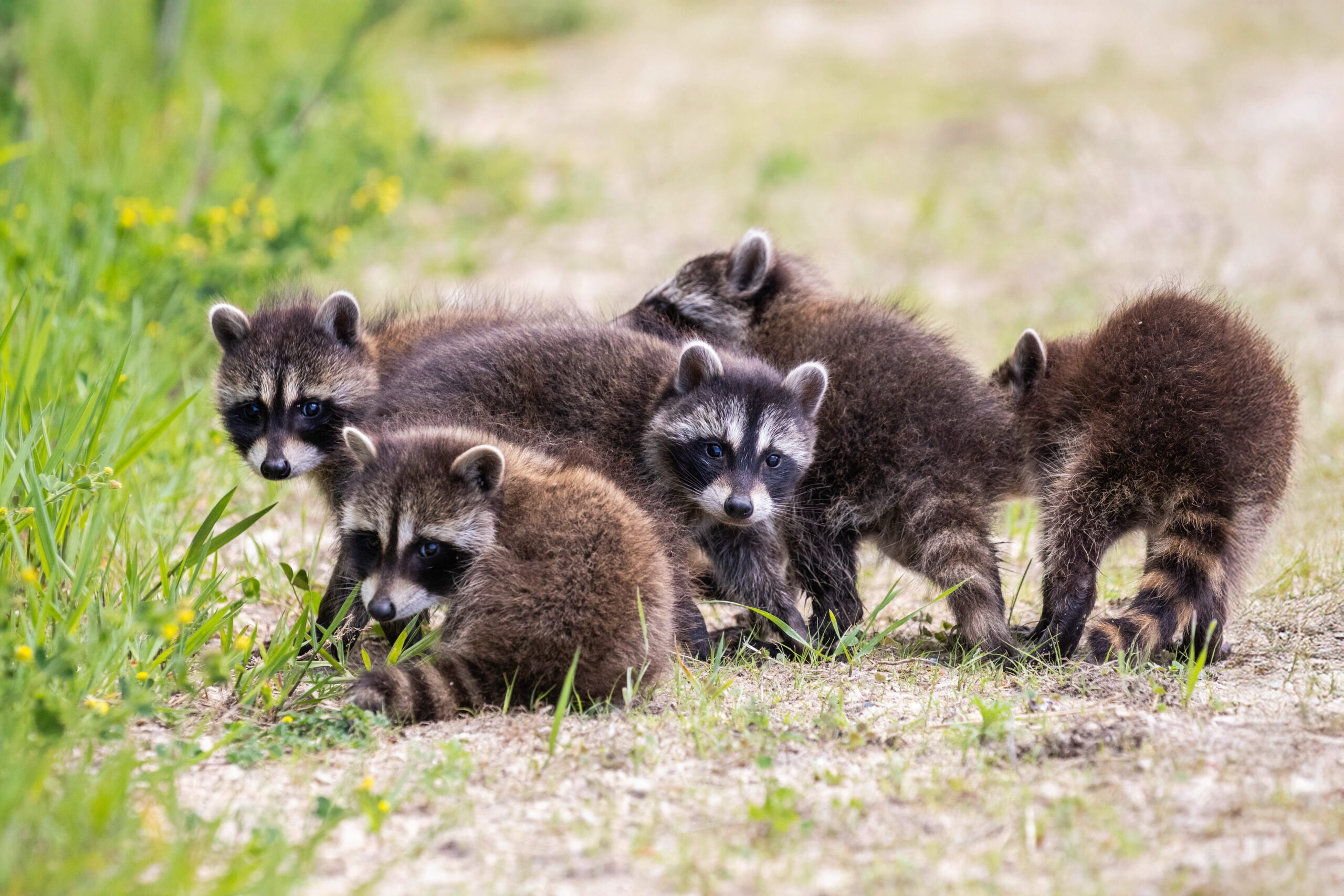
Raccoons are one of the most common wildlife complaints in new Denver subdivisions. Highly intelligent and dexterous, raccoons are excellent climbers and problem solvers. New homes provide them with multiple access points, including rooflines, attic vents, chimneys, and unsecured garages. Homeowners often underestimate how quickly raccoons can adapt, which is why learning how to get rid of raccoons safely and legally is essential.
Landscaping plays a significant role in raccoon attraction. Fresh lawns support insects and grubs, while decorative ponds and pet water bowls provide hydration. Trash bins that are not wildlife-resistant are particularly appealing, as raccoons can easily open lids and return night after night once food is discovered. This is why keeping pests out of your trash is one of the most effective first steps homeowners can take.
Without mature trees or fencing to define boundaries, raccoons often move freely between properties. Once they establish a reliable food source, they may attempt to nest in attics, sheds, or crawlspaces, leading to property damage and sanitation concerns.
Skunks are drawn to new developments for different reasons. While they are less agile climbers than raccoons, skunks are expert diggers. Newly graded soil, loose landscaping, and open crawlspaces provide ideal denning opportunities.
Skunks are primarily insectivores, feeding on grubs, beetles, and larvae commonly found in freshly laid sod. Homeowners may first notice skunk activity through damage to lawns, where small cone-shaped holes appear overnight.
Skunks also seek quiet, undisturbed spaces under decks, porches, and sheds. In new subdivisions, these structures are often built without exclusion barriers, allowing skunks to move in unnoticed. Beyond the obvious odor risk, skunks can carry rabies and other diseases, making professional skunk removal in Denver an important safety consideration.
Coyotes are increasingly visible in newer Denver neighborhoods, especially those adjacent to open space or trail systems. Unlike raccoons and skunks, coyotes are not drawn to homes for shelter but for opportunity. New subdivisions often overlap with established coyote territories.
Coyotes are opportunistic feeders. They are attracted to:
In communities without perimeter fencing, coyotes use streets, sidewalks, and greenbelts as travel routes. Sightings are most common at dawn and dusk, but coyotes may be active at night as well. While attacks on humans are rare, habituation increases risk, making education and prevention critical.
One of the most overlooked contributors to wildlife activity in new subdivisions is infrastructure—or the lack of it. Trash management, landscaping choices, and fencing all play a role in whether wildlife passes through or stays.
Unsecured trash bins are one of the strongest attractants for raccoons and skunks. Even small food residues can draw animals from long distances. Similarly, bird feeders and pet food left outdoors unintentionally feed wildlife.
Landscaping choices such as dense shrubs, ground cover, and water features provide shelter and hydration. While aesthetically pleasing, these features should be planned with wildlife deterrence in mind.
Fencing is another critical factor. Many new developments delay fencing installation or rely on partial barriers. Gaps under fences or open lot lines allow animals to move freely between properties, increasing the likelihood of repeated visits. Proper sealing of entry points around decks and foundations is a key prevention step.
New subdivisions tend to experience the highest wildlife activity within the first three to five years after construction. During this period, natural habitats are still adjusting, and animals are testing new food sources and travel routes.
As landscaping matures and fencing becomes more consistent, wildlife pressure may decrease, but only if proactive steps are taken. Without intervention, animals may become habituated to human presence, making them harder to deter over time.
At Animal & Pest Control Specialists, we often work with homeowners and HOAs during this transition phase to implement wildlife management strategies that balance safety, compliance, and community expectations.
Professional wildlife control focuses on prevention, exclusion, and humane removal. Each species requires a tailored approach based on behavior and local regulations. Our humane wildlife removal approach prioritizes safety for both homeowners and animals.
Our services typically include:
For homeowners searching for raccoon control in Denver, skunk removal in Denver, or guidance on coyote activity, professional support ensures solutions are effective and compliant with Colorado wildlife laws.
Homeowners in new subdivisions can significantly reduce wildlife activity by taking proactive steps:
Education is key. When entire communities adopt consistent practices, wildlife encounters decrease for everyone.
New developments provide easy access to food, water, and shelter while disrupting natural habitats, pushing wildlife closer to homes.
Coyotes are generally wary of humans, but they can pose risks to pets. Reducing attractants and maintaining awareness helps prevent problems.
Not always. If animals find reliable food or shelter, they may remain unless conditions change.
Wildlife removal is regulated in Colorado. Professional services ensure humane and lawful handling.
If animals are nesting, causing damage, or repeatedly returning, professional help is recommended.
Living near open space is one of the great benefits of Denver’s expanding communities, but it also requires awareness and preparation. Wildlife is simply adapting to the same changes homeowners are. With the right preventative steps and professional support when needed, communities can reduce conflicts and protect both property and local ecosystems. Animal & Pest Control Specialists works with Denver homeowners and neighborhoods to provide responsible, effective wildlife control solutions that keep communities safe and informed.

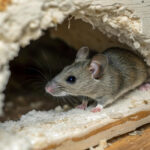
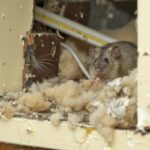
Mice can contaminate food-preperation areas with their feces and can cause severe damage to structures.

Here are the signs you should be looking for to identify new pest problems this season.

We offer all the pest control services you need, including prevention, removal, and extermination.

It’s hard to understand the value we offer until you’ve tried us. Our discount makes it easier for new customers to get the best value in pest control.