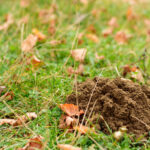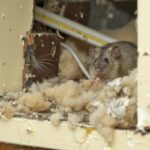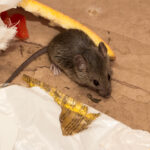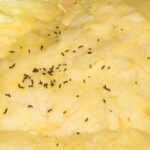
Burrows:
Damage:
Doesn’t match the signs you see? Return to Pests Page.
If you think you have a vole problem, please call or contact Animal & Pest Control Specialist, Inc, serving homes across the Front Range, including Denver, Evergreen, and Castle Rock.
At Animal & Pest Control Specialist, we help homeowners across the Denver Metro area stop vole damage before it gets worse. If you are seeing narrow runways through the grass, small openings in mulch beds, or bark chewed near the base of young trees, there is a good chance voles are active on your property. We provide Denver vole pest control for lawns, gardens, and landscape beds with a focus on clear answers and practical next steps.
Our goal is simple. We want to solve the problem without wasting your time on guesswork. Voles breed quickly, stay active year-round, and often go unnoticed until the damage is obvious. For a closer look at the warning signs, see our guide on how to get rid of voles in your Denver yard.
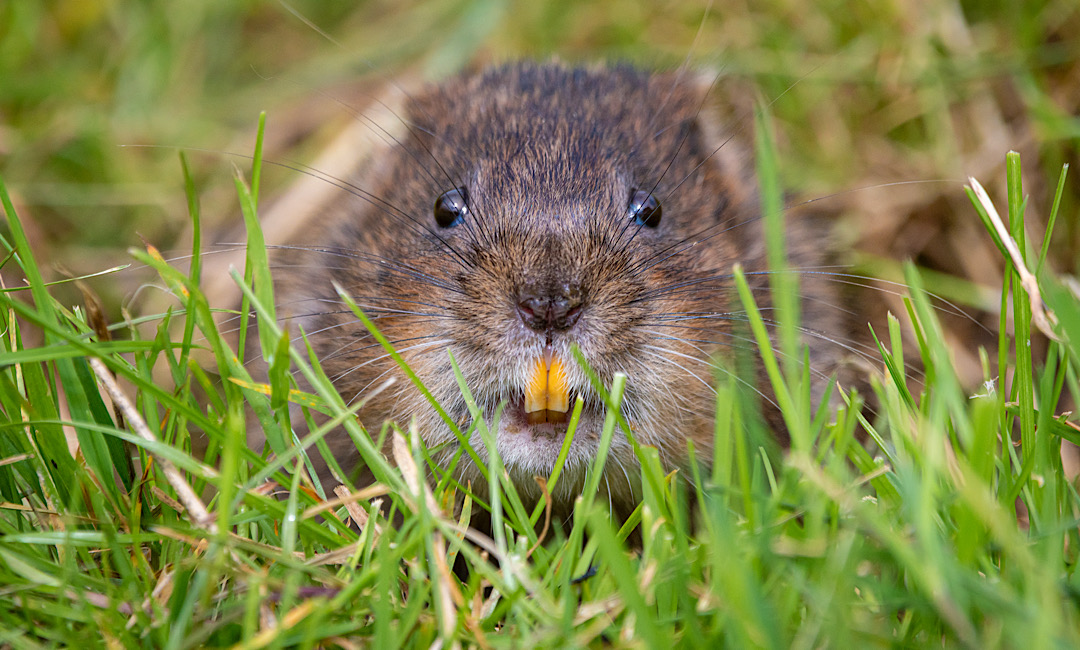
The clearest sign is a network of shallow surface runways that looks like thin trails pressed into the grass. You may also notice soft spots in the lawn, clipped plants, damaged bulbs, or bark gnawed near ground level. In Denver, winter snow can hide activity until spring, when dead patches and girdled shrubs start to show up. If you want to understand why they feed and move the way they do, our post on understanding vole behavior explains the basics.
Voles do well in the Front Range where they can hide in dense grass, mulch, ornamental beds, garden edges, and other protected cover. Many homeowners first notice them after snow melts, but the feeding often started much earlier. By the time a lawn looks patchy or a shrub starts to decline, the damage underneath may already be significant.
Voles are often confused with other pests, but the damage tells the story. Voles are small rodents that eat roots, grass, bulbs, and bark. Moles usually leave raised tunnels and feed on insects, not plants. Mice are more likely to become an indoor problem, especially in garages, crawl spaces, and wall voids. If the activity you are seeing is inside the house instead of in the yard, take a look at our mouse removal in Denver page.
We start by inspecting the areas where voles are most likely to hide and feed, including dense grass, mulch beds, landscape edges, gardens, and the base of shrubs and trees. From there, we build a plan based on the level of activity and the layout of the property. Depending on the situation, that may include habitat changes, exclusion around vulnerable plants, trapping, repellents, and targeted control methods when appropriate.
We also look at what is making the property attractive in the first place. Thick ground cover, excess mulch, debris, and protected travel lanes all make it easier for voles to stay hidden. A few simple changes can make a big difference, and our article on preventing pest infestations covers several habits that help reduce pest pressure around the home.
We have more than 20 years in business and serve the extended Denver Metro area, from Castle Rock to Boulder. We focus on real pest problems, not generic advice. That means showing up, identifying what is actually happening, and giving you a clear plan for control and prevention. We are also licensed by the Colorado Department of Agriculture, and our site highlights affiliations with NPMA, NWCOA, and the Colorado Pest Control Association.
Voles leave shallow runways, small burrow openings, and plant damage. Moles create raised tunnels and soil ridges. If your grass is thinning and bark is chewed at ground level, voles are the more likely cause.
Yes. Voles stay active through winter in Colorado. Snow cover can actually help them by hiding their runways and giving them protection while they feed on roots, crowns, and bark near the soil line.
Voles can damage lawns, flower beds, vegetable gardens, bulbs, shrubs, and young trees. One of the most serious problems is bark chewing, which can girdle a tree or shrub and kill it over time.
We tailor the plan to the property and talk through any concerns about pets, children, and non-target wildlife before treatment begins. The right approach depends on the location, the amount of activity, and the control methods needed.
No company can promise that wildlife will never return, but we can make the property less attractive and reduce the chances of repeat damage. Habitat changes, exclusion, monitoring, and quick response to new activity all help.
Call when you first notice runways, dead patches, or chewing damage around trees and shrubs. Voles reproduce quickly, so early action usually means less landscape damage and a more manageable control plan.
If your lawn or garden is showing signs of vole damage, we are ready to help. You can contact us for an estimate and we will help you figure out the next step.

Mice can contaminate food-preperation areas with their feces and can cause severe damage to structures.
Here are the signs you should be looking for to identify new pest problems this season.

We offer all the pest control services you need, including prevention, removal, and extermination.

It’s hard to understand the value we offer until you’ve tried us. Our discount makes it easier for new customers to get the best value in pest control.