If you’ve ever removed a wasp nest from your home only to see another appear in nearly the same spot weeks later, you’re not alone. This is a common concern for Denver homeowners, especially in neighborhoods at higher elevations or near open space. At Animal & Pest Control Specialists, we frequently hear from residents frustrated by recurring wasp activity under eaves, rooflines, and overhangs—even after nests have been knocked down.
The reason isn’t bad luck. It’s behavior. Wasps are highly adaptable insects, and Denver’s elevation, climate, and building styles create ideal nesting conditions. Understanding why wasps return, how elevation affects their behavior, and what actually prevents repeat nesting can help homeowners address the issue safely and effectively.
Denver sits at approximately 5,280 feet above sea level, and that elevation plays a significant role in insect behavior. While colder nighttime temperatures can slow some pests, many wasp species common to Colorado have adapted well to high-altitude environments.
At higher elevations, wasps tend to:
Eaves, soffits, and roof overhangs provide exactly what wasps need. These areas offer warmth, protection from rain and wind, and minimal human disturbance. Once a wasp colony successfully nests under an eave, that location becomes attractive to future queens scouting for nesting sites the following season.
Several wasp species are responsible for repeated nest issues in the Denver metro area. Each behaves slightly differently, but all favor similar structural features.
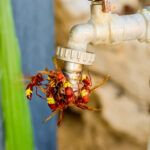
Paper wasps are among the most common. Their umbrella-shaped nests are often found attached to eaves and soffits. Paper wasps are generally less aggressive unless threatened, but their proximity to entryways increases sting risk.
Yellowjackets are more aggressive and typically nest underground, but aerial satellite nests under eaves are not uncommon, especially later in the season when populations grow.
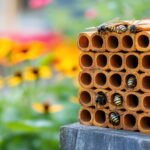
Mud daubers build small tube-like nests and are less aggressive, but their presence often indicates favorable conditions for other stinging insects.
Understanding which species is present helps determine the best wasp nest removal in Denver strategy and long-term prevention plan.
One of the most common questions homeowners ask is why wasps return to the exact same location. The answer lies in scent markers and environmental memory.
When a wasp nest is built, pheromones are released that signal a successful nesting site. Even after a nest is removed, those scent cues can remain on surfaces for months. New queens emerging in spring are drawn to those residual signals, especially if the physical conditions remain unchanged.
Other contributing factors include:
Simply knocking down a nest without addressing these factors often results in repeat activity.
While wasps play an important role in controlling other insect populations, nests located on homes pose real risks. Eaves are often near doors, patios, windows, and walkways, increasing the likelihood of accidental encounters.
Risks include painful stings, allergic reactions, and aggressive behavior when nests are disturbed. According to the CDC, stinging insects send thousands of people to emergency rooms each year, particularly during late summer when colonies are at their largest.
Structural concerns can also arise. Repeated nest attachment can damage wood surfaces, and accumulated nesting material can attract other pests.
DIY wasp removal methods may appear effective at first, but they rarely prevent future nesting. Sprays may kill visible wasps, but they do not eliminate pheromones or address why the location was attractive in the first place.
Common DIY mistakes include removing nests during peak activity, failing to wear protective gear, and sealing areas without proper cleaning. These actions can increase sting risk and sometimes drive wasps deeper into wall voids or attics.
In Denver’s variable climate, nests removed early in the season may be replaced multiple times as new queens continue to search for nesting sites.
At Animal & Pest Control Specialists, our approach goes beyond removal. Professional Denver insect control focuses on understanding behavior, reducing attraction, and preventing re-nesting.
Our process typically includes:
Timing is also critical. Early-season intervention prevents colonies from becoming established, reducing the likelihood of aggressive behavior later in summer.
Homeowners can significantly reduce wasp activity by making small but effective changes. Prevention works best when applied consistently before nesting begins in spring.
Helpful prevention strategies include:
Installing smooth finishes or treated surfaces under eaves can also make attachment more difficult for wasps.
In Denver, wasp activity peaks in late summer and early fall. Colonies are largest during this time, and food sources become scarcer, increasing aggressive behavior.
Wasps are more likely to defend nests and sting when disturbed late in the season. This is also when homeowners notice increased activity around patios and outdoor dining areas.
Addressing wasp issues earlier in the year not only reduces risk but also minimizes the chance of repeated nest building.
Why do wasps keep building nests under my eaves every year?
Wasps are drawn to successful nesting sites. Residual pheromones and favorable conditions make certain locations repeat targets.
Are wasps more aggressive at higher elevations?
Not necessarily, but temperature swings and limited shelter can make them more defensive when nests are disturbed.
Is it safe to remove a wasp nest myself?
Small, early nests may be manageable, but removal always carries sting risk. Larger or active nests should be handled professionally.
How can I prevent wasps from nesting under my eaves?
Cleaning old nest areas, sealing surfaces, and early-season treatments are the most effective prevention methods.
When should I call a professional for wasp control in Denver?
If nests are recurring, located near entryways, or showing aggressive behavior, professional removal is recommended.
Stop recurring wasp nests before they take over your Denver home. If you’re dealing with wasps under your eaves, rooflines, or soffits, don’t wait for the problem to escalate. Animal & Pest Control Specialists provides expert wasp nest removal in Denver, high-altitude wasp control, and long-term prevention solutions designed to stop re-nesting at the source. Call 303-529-7465 today to schedule a professional inspection and protect your home with reliable Denver insect control services.

Mice can contaminate food-preperation areas with their feces and can cause severe damage to structures.
Here are the signs you should be looking for to identify new pest problems this season.

We offer all the pest control services you need, including prevention, removal, and extermination.

It’s hard to understand the value we offer until you’ve tried us. Our discount makes it easier for new customers to get the best value in pest control.