Urban gardening has become increasingly popular across Denver as homeowners and renters look for ways to grow fresh vegetables, herbs, and fruits in small city spaces. From backyard raised beds to community gardens and patio planters, urban gardening offers a sustainable way to produce food while connecting with nature.
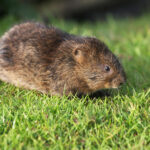
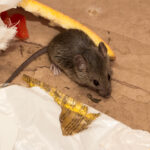
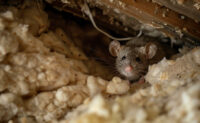
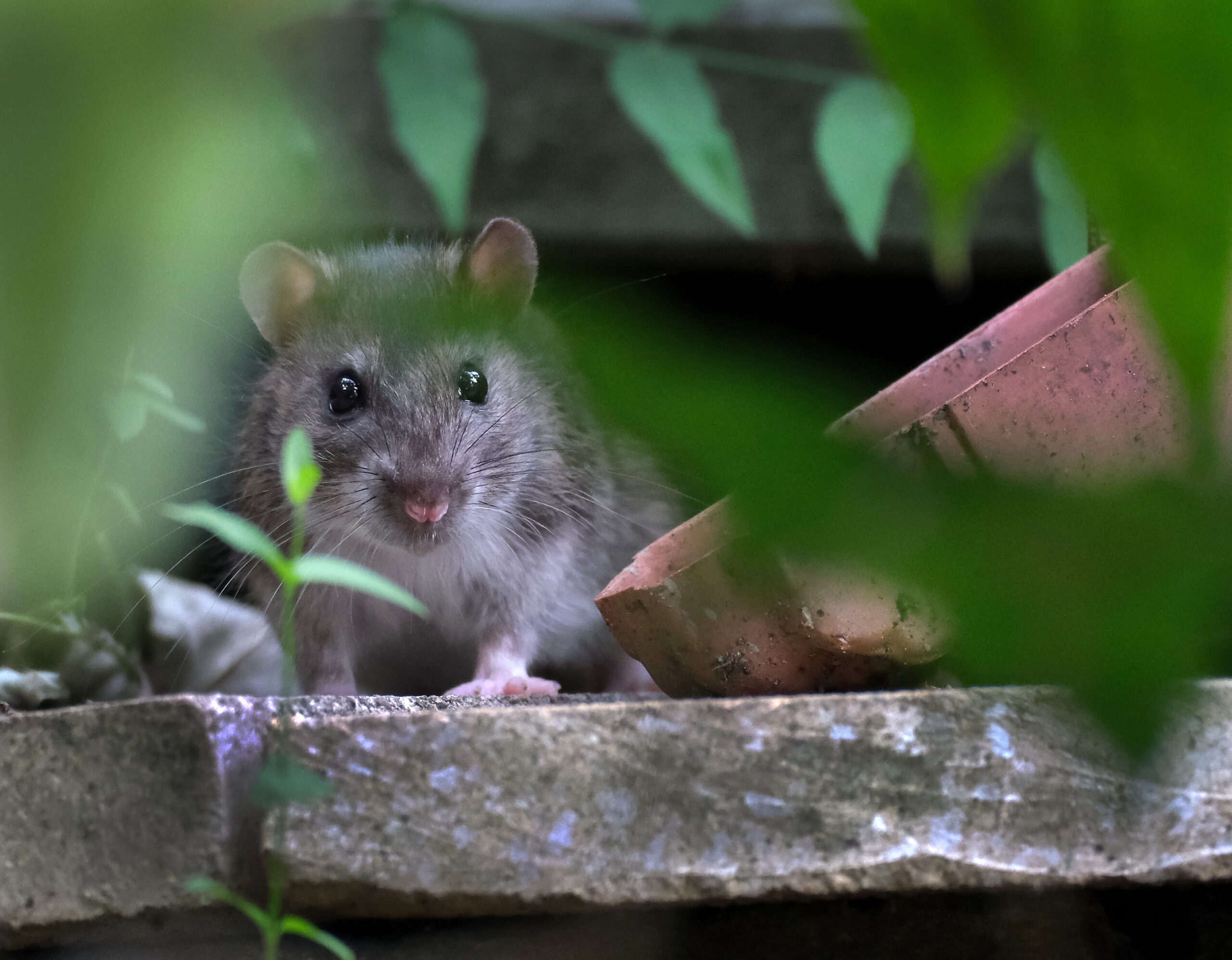
However, food gardens can also attract unwanted pests if they are not properly managed. Rodents such as rats, voles, mice, and squirrels are highly skilled at locating food sources, and vegetable gardens often provide exactly what they are searching for. Without proper prevention strategies, these pests can damage plants, contaminate soil, and spread into nearby homes.
The good news is that urban gardeners can grow healthy crops while minimizing pest problems. With thoughtful design and proactive pest prevention strategies, Denver gardeners can maintain productive gardens without attracting rodents.
Rodents are opportunistic animals that seek three basic resources: food, water, and shelter. Urban gardens often provide all three.
Vegetables, fruits, and seeds serve as a direct food source. Overripe produce or fallen fruit can attract pests quickly, especially during peak harvest season. Gardens also provide dense vegetation and soil that rodents can use for nesting or burrowing.
Denver’s urban environment can make gardens even more appealing to pests. Residential neighborhoods often contain compost bins, trash containers, bird feeders, and landscaping that provide additional food sources.
One of the most effective ways to prevent rodents in urban gardens is simple cleanliness. Leaving overripe vegetables or fallen fruit in garden beds can quickly attract pests.
Gardeners should harvest produce frequently and remove damaged or rotting plants promptly. Fallen tomatoes, squash, or berries should not be left on the soil because they provide an immediate food source for rodents.
Maintaining a clean garden environment makes it much less attractive to rats, mice, and squirrels.
Regular harvesting also improves overall plant health and encourages continued production.
Raised garden beds are extremely popular in Denver because they improve soil drainage and make gardening easier to manage. They can also provide an added layer of pest protection when designed correctly.
Installing hardware cloth or metal mesh beneath raised beds can prevent burrowing rodents such as voles and mice from entering the soil.
The mesh should be installed before filling the bed with soil and should extend across the entire bottom surface.
This barrier allows water to drain normally while preventing rodents from tunneling into the garden from below.
Raised beds also make it easier to monitor soil conditions and detect signs of pest activity early.
Composting is a sustainable gardening practice, but improperly managed compost piles can attract rodents quickly.
Food scraps and organic waste produce strong odors that rodents can detect from long distances. If compost bins are open or poorly secured, they may become a reliable food source.
To reduce this risk, Denver gardeners should use rodent-resistant compost bins with tight-fitting lids and solid bases.
Avoid adding cooked foods, meat, dairy products, or oily items to compost piles, as these materials attract pests more strongly than plant-based waste.
Turning compost regularly and maintaining proper moisture levels also helps reduce odors that could attract rodents.
Many homeowners unintentionally attract rodents by placing bird feeders near their gardens. Birds often scatter seeds onto the ground, which creates a convenient food source for mice and rats.
If bird feeders are used in the yard, they should be placed away from garden beds and cleaned regularly to remove spilled seed.
Similarly, pet food should never be left outside overnight. Even small amounts of leftover food can attract rodents to a property.
By eliminating easy food sources near gardens, homeowners significantly reduce the likelihood of pest activity. Learning more about how rats and mice differ can also help homeowners identify which rodents may be affecting their garden.
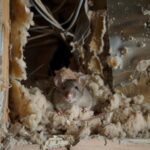
Rodents prefer areas where they can hide easily from predators. Dense vegetation, tall weeds, and cluttered garden spaces provide ideal hiding places.
Urban gardeners can reduce pest risk by maintaining a well-organized garden layout.
Key strategies include:
These practices reduce the number of sheltered spaces where rodents might establish nests. Maintaining visibility throughout the garden also makes it easier to detect pest activity early.
Certain gardening techniques can protect plants without harming wildlife or using harsh chemicals.
For example, wire cages or garden cloches can protect young plants from rodents and squirrels. These barriers physically prevent animals from accessing crops.
Row covers may also help protect seedlings while allowing sunlight and water to reach plants.
These eco-friendly methods are especially useful for gardeners growing leafy greens, strawberries, or root vegetables that rodents tend to target.
Seeds, fertilizers, and other garden supplies should be stored in sealed containers. Rodents are capable of chewing through paper bags and thin plastic packaging.
Using metal or thick plastic storage bins helps prevent pests from accessing stored materials.
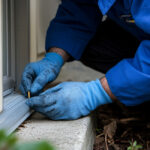
Garden sheds should also be inspected regularly for entry points where rodents could enter.
Sealing gaps and maintaining organized storage reduces the likelihood of rodents nesting near gardening areas.
Even well-maintained gardens can occasionally attract pests. Early detection helps prevent small problems from becoming larger infestations.
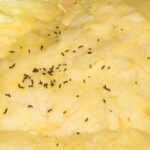
Common signs of rodent activity include:
If these signs appear, gardeners should act quickly to identify the source of the problem and implement control measures.
Professional pest control services may be necessary if rodent activity becomes persistent.
Many Denver gardeners prefer environmentally responsible pest management strategies. Integrated pest management (IPM) focuses on prevention, monitoring, and minimal use of chemicals.
Eco-friendly pest control approaches include:
These methods protect gardens while preserving the surrounding ecosystem.
Urban gardening can remain productive and environmentally responsible when pest prevention strategies are used consistently.
Rodents can cause significant damage to vegetable gardens in a short amount of time. They may eat seeds before they sprout, chew through irrigation lines, or destroy ripening crops.
In addition to damaging plants, rodents can also carry diseases and contaminate soil with droppings.
Preventing rodent activity protects both the garden and the surrounding home environment.
Taking proactive steps early in the gardening season helps ensure plants grow successfully without interference from pests.
While many rodent prevention strategies can be implemented by homeowners, some situations require professional assistance.
Persistent infestations, burrowing activity near home foundations, or large rodent populations may indicate a more serious issue.
Professional pest control specialists can identify entry points, eliminate infestations safely, and recommend long-term prevention strategies tailored to urban properties. Homeowners can also explore the benefits of professional pest control when deciding how to address ongoing pest issues.
Working with pest control experts helps ensure that gardens remain productive without creating ongoing pest problems.
Rats, mice, voles, and squirrels are the most common rodents that damage urban gardens in Denver.
Keeping gardens clean, harvesting regularly, securing compost bins, and installing mesh barriers under raised beds can help prevent rats.
Raised beds with hardware cloth installed underneath can prevent burrowing rodents from accessing plant roots.
Yes. Physical barriers, improved sanitation, and natural deterrents are effective, eco-friendly pest prevention methods.
Professional pest control may be needed if rodent activity becomes persistent or spreads from the garden toward the home.
Urban gardening offers Denver residents a rewarding way to grow fresh food while enhancing outdoor living spaces. With thoughtful planning and consistent maintenance, gardeners can prevent rodents from turning their gardens into feeding grounds.
Practices such as keeping gardens clean, installing protective barriers, securing compost bins, and managing surrounding landscaping significantly reduce the risk of pest problems.
Animal & Pest Control Specialists helps Denver homeowners protect their properties from rodents and other urban pests with effective, environmentally responsible pest management solutions.
If rodents are threatening your garden or home, professional pest control support can help you restore a healthy and pest-free outdoor environment.

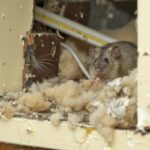
Mice can contaminate food-preperation areas with their feces and can cause severe damage to structures.
Here are the signs you should be looking for to identify new pest problems this season.

We offer all the pest control services you need, including prevention, removal, and extermination.

It’s hard to understand the value we offer until you’ve tried us. Our discount makes it easier for new customers to get the best value in pest control.