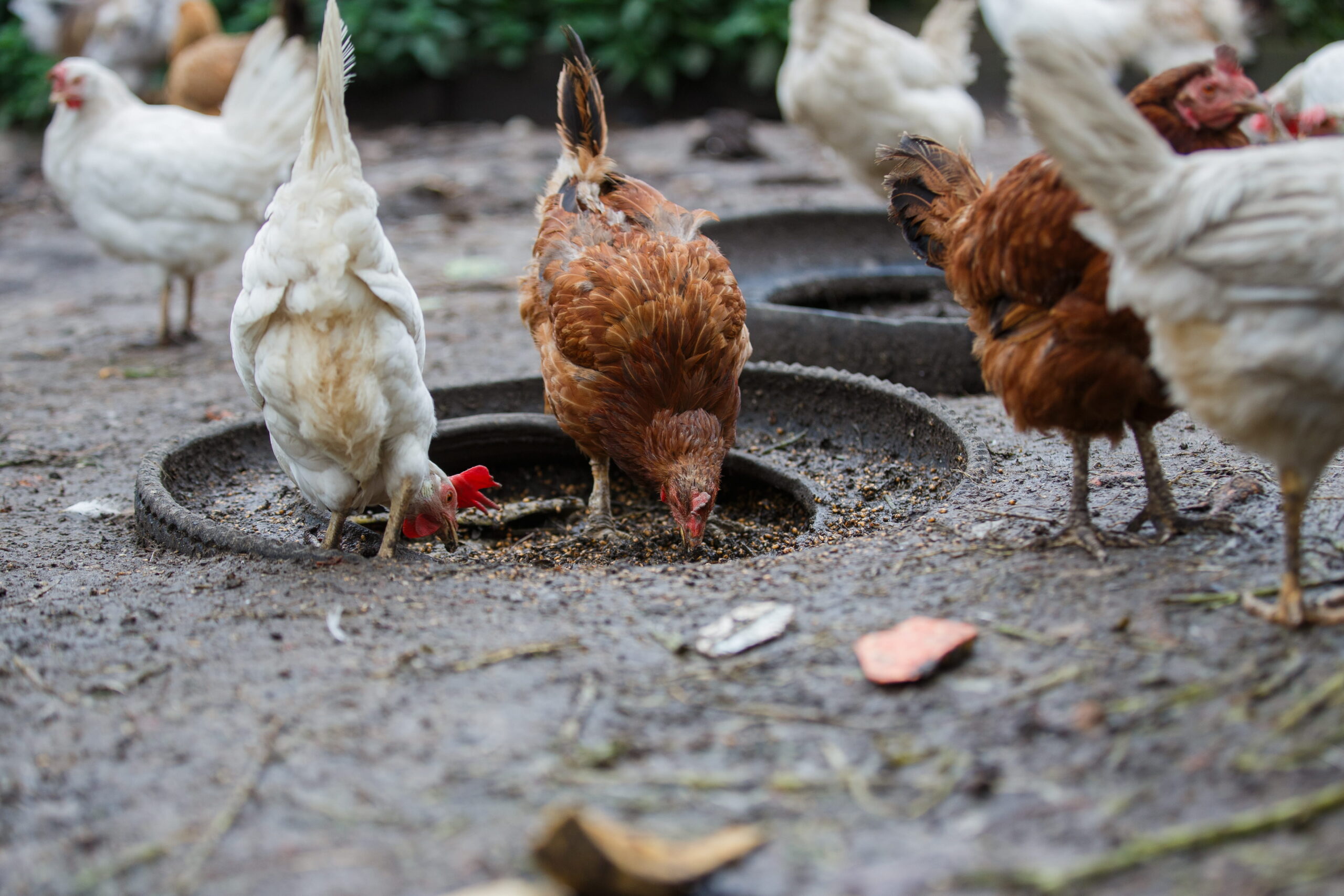
Backyard chickens and small livestock are becoming increasingly popular across Denver and other Colorado cities. Many homeowners keep chickens for fresh eggs, sustainable living, and a closer connection to food production. While raising chickens in an urban or suburban environment can be rewarding, it also requires careful planning to protect flocks from predators.
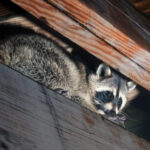
Colorado is home to a wide variety of wildlife, including raccoons, foxes, hawks, coyotes, and other animals that view chickens as an easy food source. Without proper protection, predators can quickly infiltrate chicken coops, damage enclosures, and harm backyard livestock.
Understanding common chicken coop predators in Denver and implementing proactive prevention strategies helps urban farmers protect their birds while maintaining a healthy and humane environment.
Backyard chickens attract several types of predators in Colorado, especially in areas where urban development borders natural wildlife habitats.
The most common predators include:
Each predator behaves differently. Some attack during the day, while others hunt at night. Some dig under fencing, while others climb or fly into enclosures.
Recognizing the threats in your area allows homeowners to design coops and runs that protect birds from multiple types of predators.
Predators are drawn to backyard chickens because they provide a reliable and accessible food source. Chickens move slowly compared to wild prey, and coops often contain eggs, feed, and nesting areas that attract animals.
In urban environments like Denver, wildlife often adapts to residential neighborhoods. Trash containers, compost piles, pet food, and bird feeders already attract animals such as raccoons and foxes.
When backyard chickens are introduced, predators may view the coop as an easy opportunity for food.
Proper coop design and property management help reduce this attraction.
The most important step in protecting backyard chickens from predators is building a secure coop. A well-designed coop prevents animals from digging, climbing, or forcing their way inside.
Key features of a predator-resistant coop include:
Chicken wire alone is not sufficient protection against many predators. Animals such as raccoons can easily tear through thin wire.
Hardware cloth with small openings provides much stronger protection and prevents predators from reaching inside.
Many chicken coop predators in Colorado attempt to access birds by digging underneath the enclosure.
Raccoons, foxes, and coyotes are particularly skilled at tunneling under fences or coop walls.
To prevent digging attacks, homeowners should install underground barriers around the coop and run.
Effective methods include:
These measures prevent animals from tunneling into the coop and reaching chickens from below.
A secure chicken run allows birds to move freely while still protecting them from predators. However, runs that are open on top may expose chickens to birds of prey.
Many chicken predators are nocturnal, meaning they hunt after dark. Raccoons, foxes, and coyotes are particularly active during nighttime hours.
Chickens should always be locked inside their coop at night to reduce risk.
Automatic coop doors are becoming popular among urban chicken keepers. These doors close at dusk and open at sunrise, ensuring birds are protected even if owners are not home.
A secure nighttime routine significantly reduces the likelihood of predator attacks.
Feed storage is another common factor that attracts predators and pests. Bags of grain, cracked corn, or feed pellets can attract rodents and larger animals if left exposed.
Feed should always be stored in sealed containers made from metal or durable plastic.
Feeding areas should also be cleaned regularly to prevent spilled feed from accumulating on the ground.
Removing excess food sources reduces the chances that predators will be drawn to the coop area.
Wildlife is often attracted to residential yards because of food, shelter, or hiding places. Certain landscaping features can unintentionally create ideal habitats for predators.
Homeowners raising backyard chickens should evaluate their property for potential attractants.
Examples include:
Maintaining a clean, organized yard reduces hiding spots for predators and discourages wildlife from lingering near the coop.
Motion-activated lights and deterrent devices can help discourage predators from approaching chicken coops at night.
Many predators prefer to hunt in darkness and avoid brightly lit areas. Installing motion lighting near the coop can disrupt their behavior and make the area less appealing.
Other deterrent options include:
While deterrents may not eliminate predators completely, they can reduce repeated attempts on a flock.
Early detection is critical for preventing serious predator problems. Backyard chicken owners should regularly inspect the coop and surrounding area for signs of wildlife activity.
Common warning signs include:
If these signs appear, homeowners should act quickly to reinforce the coop and eliminate entry points.
Regular inspections help ensure that small vulnerabilities do not become larger security problems.
In cities like Denver, wildlife management must balance safety with humane practices. Many predators play an important ecological role and should not be harmed unnecessarily.
Responsible predator control focuses on prevention rather than elimination.
By removing food sources, securing coops, and maintaining clean outdoor spaces, homeowners can discourage predators without disrupting local ecosystems.
Professional pest control specialists may assist with humane wildlife exclusion and prevention strategies when predators become persistent.
Some predator issues may extend beyond simple coop security. If raccoons, foxes, or rodents repeatedly target a property, professional assistance may be necessary.
Pest control specialists can:
Professional support is especially helpful when predators begin damaging structures or attempting to access homes in addition to chicken coops.
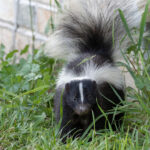
Raccoons, foxes, coyotes, hawks, owls, skunks, and rodents are among the most common predators targeting backyard chickens.
Using hardware cloth, secure latches, buried fencing, and locking chickens inside the coop at night can prevent raccoon attacks.
Yes. Hawks and other birds of prey can target chickens during daylight hours if runs are not covered.
No. Chicken wire is designed to contain birds, but it does not prevent predators from breaking through.
Yes. Locking chickens in a secure coop at night is one of the most effective ways to prevent predator attacks.
Raising backyard chickens in Denver can be a rewarding experience that supports sustainable living and local food production. However, protecting chickens from Colorado predators requires thoughtful coop design and proactive property management.
By building predator-proof enclosures, eliminating food attractants, and monitoring for wildlife activity, homeowners can significantly reduce the risk of attacks on their flocks.
Animal & Pest Control Specialists helps Denver homeowners protect their properties from wildlife and pest threats while promoting safe and responsible animal management.
If predators are threatening your backyard chickens or livestock, professional pest control solutions can help secure your property and keep your flock safe year-round.

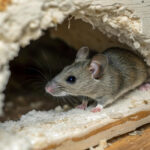
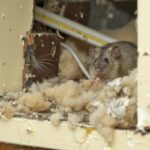
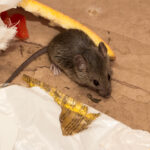
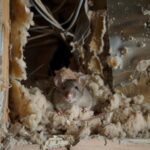
Mice can contaminate food-preperation areas with their feces and can cause severe damage to structures.

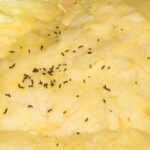
Here are the signs you should be looking for to identify new pest problems this season.

We offer all the pest control services you need, including prevention, removal, and extermination.

It’s hard to understand the value we offer until you’ve tried us. Our discount makes it easier for new customers to get the best value in pest control.