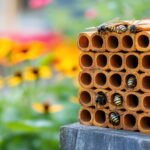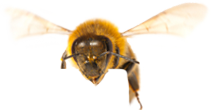
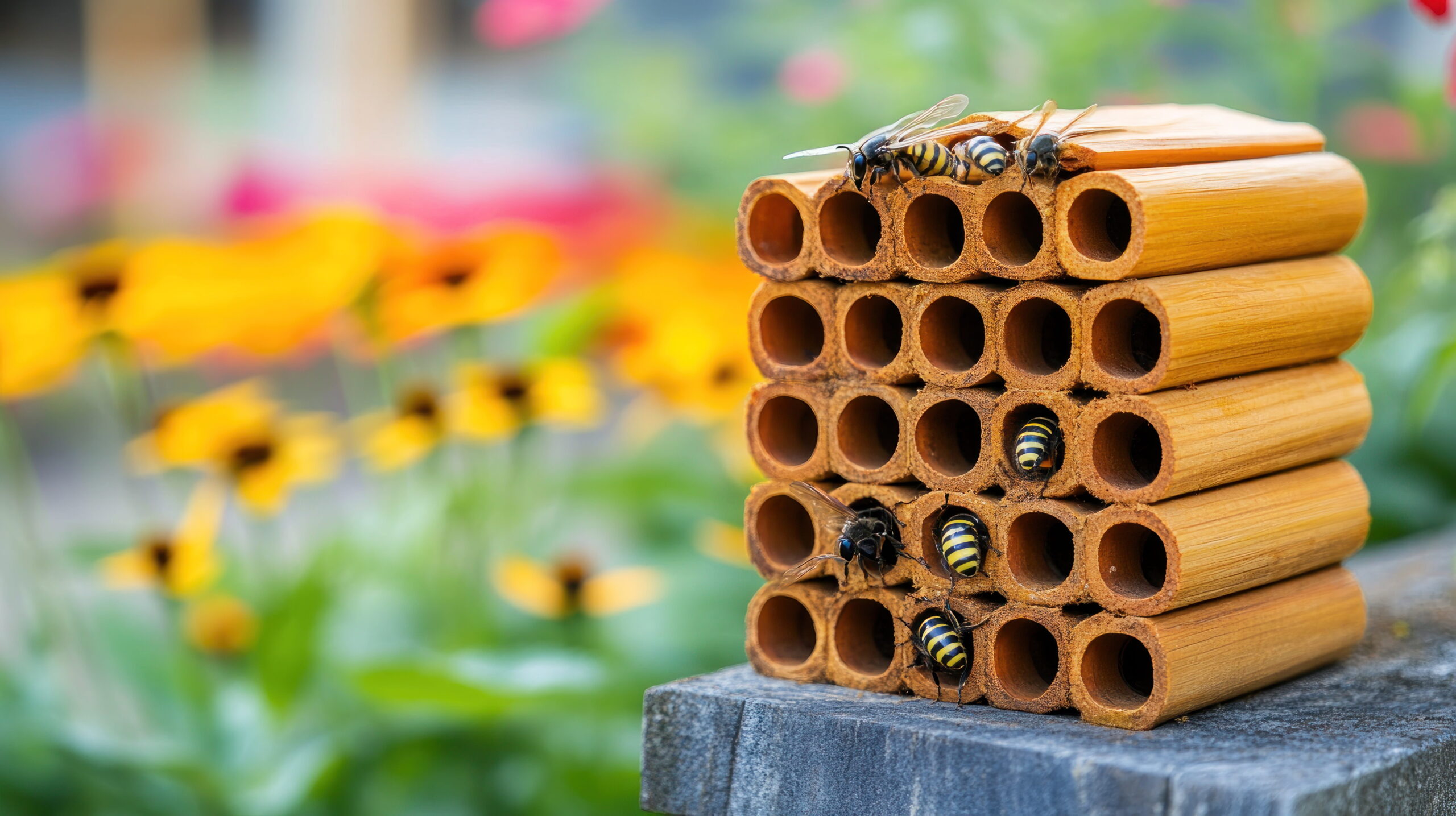
Pollinators play a critical role in maintaining healthy ecosystems, productive gardens, and thriving landscapes across Colorado. Bees, butterflies, and other beneficial insects help fertilize flowers, vegetables, fruit trees, and native plants. In Denver, where urban gardening and pollinator-friendly landscaping are increasingly popular, protecting these insects has become an important priority for homeowners.
At the same time, pests such as ants, wasps, aphids, spiders, and rodents can create problems around homes and yards. Managing these pests without harming pollinators requires thoughtful strategies and responsible pest control practices.
Bee-friendly pest control focuses on reducing harmful pests while protecting the beneficial insects that help gardens and landscapes flourish. With the right approach, Denver homeowners can maintain healthy outdoor spaces while supporting pollinator populations.
Pollinators are responsible for fertilizing many of the plants that produce fruits, vegetables, seeds, and flowers. As bees and other insects move from plant to plant collecting nectar and pollen, they transfer pollen between flowers, allowing plants to reproduce.
In Colorado, pollinators support both agricultural production and backyard gardens. Crops such as apples, berries, squash, and many vegetables rely heavily on pollination.
Even ornamental plants and flowering trees benefit from pollinators. Without them, many plants would produce fewer seeds, fruits, and blooms.
Urban environments like Denver can actually provide valuable habitat for pollinators when gardens, parks, and landscapes include diverse flowering plants.
Protecting these insects while managing pests helps maintain balanced ecosystems in residential neighborhoods.
While pollinators provide valuable ecological benefits, other insects and pests can cause damage to homes and landscapes.
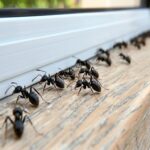
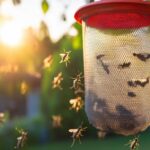
Some of the most common pest issues Denver homeowners encounter include:
Many homeowners want to address these issues without harming beneficial insects in the process.
Bee-friendly pest control strategies are designed to target harmful pests while minimizing risk to pollinators.
One of the most important steps in eco-friendly pest management is identifying which insects are beneficial and which are harmful.
Pollinators typically include:
These insects generally focus on flowers and nectar sources rather than homes or structures.
Pest insects, on the other hand, often invade homes, damage plants, or create unsafe conditions for people.
Examples include ants inside kitchens, aggressive wasps near entryways, or insects that damage landscaping.
Understanding the difference helps pest control professionals design treatments that target pests without harming beneficial insects.
One of the most effective ways to reduce risk to bees and pollinators is adjusting the timing of pest control treatments.
Pollinators are most active during daylight hours, especially when flowers are open and temperatures are warm.
Applying treatments early in the morning or later in the evening helps reduce the likelihood that bees will come into contact with treated surfaces.
This timing strategy allows pest control professionals to address pest problems while protecting pollinator activity during peak hours.
Responsible pest control companies carefully plan treatment schedules with pollinator safety in mind.
Traditional pest control methods sometimes relied on broad pesticide applications that could impact a wide range of insects. Modern eco-friendly pest control focuses on targeted treatments instead.
Targeted pest control methods may include:
These techniques help control pests while minimizing exposure to pollinators and other beneficial insects.
Integrated pest management strategies often rely on multiple methods rather than heavy pesticide use.
Integrated Pest Management (IPM) is a widely used pest control approach that prioritizes prevention, monitoring, and targeted treatments.
IPM strategies include:
This approach reduces reliance on chemicals while maintaining effective pest control.
For environmentally conscious homeowners in Denver, IPM provides a balanced solution that protects both property and local ecosystems.
Homeowners can also support pollinator populations by choosing landscaping practices that encourage beneficial insects.
Pollinator-friendly landscaping often includes:
When combined with responsible pest control practices, these landscaping choices create healthy environments for beneficial insects.
Denver’s climate supports a wide range of pollinator-friendly plants, making it possible for homeowners to create beautiful and ecologically beneficial landscapes.
Many pest problems can be reduced through simple property maintenance practices that limit food sources and shelter for unwanted insects.
Preventive steps include:
By addressing these factors, homeowners can reduce pest pressure before chemical treatments are ever needed.
Prevention is one of the most effective strategies for both pest control and pollinator protection.
Professional pest control companies increasingly offer environmentally responsible services designed to protect pollinators and beneficial insects.
Eco-friendly pest control professionals typically focus on:
These services allow homeowners to address pest problems without compromising the health of their gardens or local ecosystems.
Working with experienced pest control technicians ensures treatments are applied safely and responsibly.
Urban areas like Denver can play an important role in pollinator conservation. Residential yards, gardens, and parks collectively create valuable habitat for bees and other beneficial insects.
Because agricultural land and natural habitats are declining in some areas, urban pollinator habitats have become increasingly important.
Protecting pollinators while managing pests helps maintain biodiversity and supports the health of local ecosystems.
Homeowners who prioritize pollinator safety contribute to a healthier environment while still protecting their homes from nuisance pests.
Bee-friendly pest control focuses on managing harmful pests while minimizing risks to bees and other beneficial pollinators.
Some pesticides can harm bees if applied improperly, which is why responsible pest control companies use targeted treatments and careful timing.
They avoid treating flowering plants, apply treatments during low pollinator activity hours, and use targeted pest control methods.
Yes. Integrated pest management strategies can control pests effectively while reducing environmental impact.
Yes. Combining pollinator-friendly landscaping with responsible pest control practices allows homeowners to manage pests while supporting beneficial insects.
Maintaining a healthy yard in Denver often requires balancing pest management with environmental responsibility. While pests can create problems around homes and gardens, pollinators provide essential ecological benefits that should be protected whenever possible.
Bee-friendly pest control strategies make it possible to manage pests while preserving the beneficial insects that help landscapes thrive.
Animal & Pest Control Specialists provides environmentally responsible pest control services designed to protect both homes and local ecosystems. By using targeted treatments and eco-conscious pest management strategies, homeowners can enjoy pest-free outdoor spaces while supporting Denver’s pollinator populations.

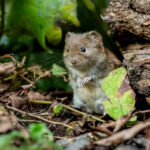
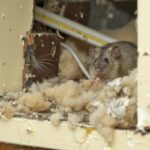
Mice can contaminate food-preperation areas with their feces and can cause severe damage to structures.
Here are the signs you should be looking for to identify new pest problems this season.

We offer all the pest control services you need, including prevention, removal, and extermination.

It’s hard to understand the value we offer until you’ve tried us. Our discount makes it easier for new customers to get the best value in pest control.