








































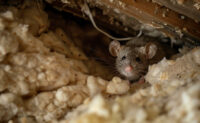





In Denver, rodent problems rarely begin with a mouse running across the kitchen floor. More often, they start quietly inside the structure of the home itself. At Animal & Pest Control Specialists, we’ve spent years helping Denver homeowners uncover what we call “hidden mouse highways”—the concealed routes rodents use to enter, travel, and nest without being seen. These pathways exist inside walls, above ceilings, below floors, and along utility lines, allowing mice to move freely while remaining almost invisible to residents.
Denver’s unique combination of aging housing stock, rapid suburban development, and dramatic seasonal temperature changes makes homes especially vulnerable to rodent intrusion. Mice are not random wanderers; they are strategic survivors. Once they gain access to a structure, they quickly learn the layout and begin using structural voids as safe corridors. Understanding how these highways work is the first step toward effective, long-term Denver rodent exclusion and mouse control.
Mice are exceptionally skilled at navigating the built environment. With flexible skeletons and strong hind legs, they can squeeze through openings as small as a quarter of an inch. Rather than moving through open living spaces, mice prefer dark, enclosed areas that provide protection from predators and humans alike.
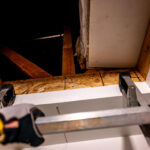
Inside Denver homes, these routes often include wall voids between studs that allow vertical movement from basement to attic, plumbing and electrical penetrations where pipes and wires pass through framing, HVAC chases that connect multiple levels of the house, crawlspaces and rim joists near foundations, and attic insulation that conceals nesting sites and muffles sound.
Homes built before the 1980s are particularly susceptible due to outdated building practices and natural material degradation. Even newer homes are not immune. Small construction gaps, settling foundations, and improperly sealed utility penetrations can create perfect entry points.
According to the Centers for Disease Control and Prevention, rodents invade approximately 21 million U.S. homes each winter, seeking warmth and shelter. Denver’s cold winters and sudden temperature drops accelerate this migration indoors, pushing mice into wall cavities where warmth from living spaces radiates outward. This seasonal pressure is a major driver behind rodent infestations in winter.
One of the biggest misconceptions about mouse control is that catching the mouse solves the problem. In reality, trapping only addresses the symptom, not the cause. True rodent exclusion in Denver focuses on eliminating access and movement pathways so mice cannot enter or travel within the structure in the first place.
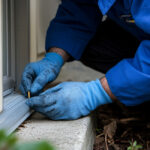
At Animal & Pest Control Specialists, exclusion begins with a comprehensive inspection of the home’s exterior and interior. This includes foundations, rooflines, attic vents, crawlspaces, garages, and all utility entry points. Once identified, these access points are sealed using chew-resistant materials such as steel mesh, reinforced mortar, and professional-grade exclusion barriers. This process aligns with the importance of sealing entry points in pest control.
Common mouse entry points in Denver homes include gaps beneath garage doors and side doors, cracks in foundations or brick mortar joints, dryer vents and utility line penetrations, and roof eaves, soffits, and damaged vent screens.
The National Pest Management Association reports that mice can produce five to ten litters per year, with up to six pups per litter. Without exclusion, even a single overlooked entry point can lead to rapid reinfestation.
Because mice rely on concealed pathways, infestations often go unnoticed until populations grow. Homeowners frequently hear sounds long before they see evidence.
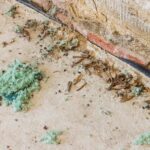
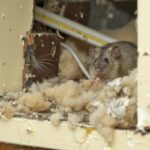
Common indicators include scratching or scurrying noises at night, especially in walls or ceilings, small dark droppings in kitchens, pantries, garages, or utility rooms, grease marks along baseboards or near entry holes, chewed insulation, wiring, or food packaging, and persistent musty or ammonia-like odors. Many of these warning signs overlap with general signs of pest infestation.
Electrical damage caused by rodents is especially concerning. The U.S. Fire Administration estimates that rodents cause thousands of house fires annually by gnawing on electrical wiring. Addressing hidden mouse highways is not only about comfort but also safety.
Denver’s semi-arid climate creates a strong push-pull effect for rodents. During winter, mice move indoors for warmth. During summer, they seek moisture, often found in basements, crawlspaces, and plumbing voids.
Urban expansion also plays a role. As Denver neighborhoods continue to grow into previously undeveloped land, rodent habitats are disrupted. Displaced mice seek new shelter, and residential structures become prime targets.
Additionally, Colorado’s freeze-thaw cycles cause building materials to expand and contract. Over time, this creates micro-gaps in siding, foundations, and rooflines—ideal access points for rodents. Even well-maintained homes can develop vulnerabilities if inspections are not performed regularly , making seasonal planning such as fall pest prevention especially important.
DIY traps and poisons may provide short-term relief, but they do not stop mice from entering or traveling through the home. Professional mouse control in Denver requires an integrated approach that addresses behavior, biology, and structure. Homeowners often compare options outlined in DIY vs professional pest control pros and cons, but exclusion-focused services consistently deliver better long-term results.
At Animal & Pest Control Specialists, our process includes detailed inspections of all potential entry points and travel routes, structural rodent exclusion to block access permanently, strategic trapping to remove existing mice safely, sanitation and odor neutralization to reduce attraction, and ongoing monitoring to ensure long-term success.
Research published in the Journal of Urban Ecology shows that homes using integrated pest management strategies—including exclusion and monitoring—are 50 percent less likely to experience recurring rodent infestations compared to homes relying on trapping alone. These findings support the benefits of professional pest control.
While professional exclusion is essential, homeowners can support these efforts by reducing conditions that attract rodents.
Helpful prevention steps include storing food in sealed, hard containers, reducing clutter in basements, garages, and attics, trimming vegetation and tree branches away from siding and rooflines, inspecting door sweeps and weather stripping regularly, and securing trash bins with tight-fitting lids. Managing waste properly plays a key role in keeping pests out of your trash.
Routine maintenance is especially important in Denver, where seasonal changes can quickly turn small gaps into major access points.
Mice typically enter through small gaps around foundations, doors, utility lines, vents, and rooflines. Openings as small as a quarter of an inch are sufficient, and seasonal expansion and contraction of materials often create new access points.
Mice prefer traveling inside wall voids, ceilings, and floors where they feel protected. These hidden routes allow movement without entering open living spaces.
No. Trapping removes individual mice but does not stop new ones from entering. Without rodent exclusion, reinfestation is likely.
Rodent exclusion seals entry points and internal travel routes, addressing the structural cause of infestations rather than only removing animals.
Rodent exclusion can be done year-round, but fall and early winter are ideal as mice actively seek indoor shelter.
Denver homes may look solid on the surface, but to mice, they function as interconnected tunnel systems. If you’ve noticed scratching sounds, odors, or other warning signs, hidden mouse highways may already exist within your walls. Animal & Pest Control Specialists provides trusted, locally informed rodent exclusion and mouse control services throughout Denver. Scheduling a professional inspection is the most effective way to shut down these pathways and protect your home long term.

Mice can contaminate food-preperation areas with their feces and can cause severe damage to structures.

Here are the signs you should be looking for to identify new pest problems this season.

We offer all the pest control services you need, including prevention, removal, and extermination.

It’s hard to understand the value we offer until you’ve tried us. Our discount makes it easier for new customers to get the best value in pest control.