For property managers, landlords, and HOA boards in Denver, pest and wildlife issues are not occasional inconveniences. They are predictable, seasonal pressures that directly affect tenant satisfaction, maintenance budgets, and property value. At Animal & Pest Control Specialists, we work with Denver property managers across single-family rentals, multi-family buildings, and HOA-managed communities to replace reactive pest control with structured, year-round planning.
This month-by-month pest and wildlife calendar is designed specifically for Denver rental properties. It reflects local climate patterns, wildlife behavior, and the most common service issues we see across the metro area. By anticipating problems before they escalate, property managers can reduce emergency calls, control costs, and demonstrate proactive oversight to owners and residents alike.
January is the height of rodent pressure in Denver. Cold temperatures push mice and rats into buildings through foundations, utility penetrations, garages, and shared walls. In multi-unit properties, rodents can move quickly between units, turning a single entry point into a building-wide issue.
January priorities should include inspecting mechanical rooms, trash areas, basements, and storage spaces. Property managers should review prior exclusion work and address gaps caused by freeze-thaw cycles. Interior monitoring programs are especially important in apartment buildings and townhome communities where rodents exploit shared infrastructure.
Early intervention in January reduces property damage, fire risk from chewed wiring, and tenant complaints that often escalate if left unaddressed.
February is typically quieter for exterior pests, making it a strategic planning month rather than a response-driven one. Rodent monitoring should continue, but this is also the ideal time to review sanitation practices across properties.
Dumpster placement, lid condition, and cleaning schedules should be evaluated. Poor winter sanitation often leads to increased rodent pressure that carries into spring. Documentation is also critical this month, as it provides a baseline for upcoming seasonal activity.
Scheduling preventative services and inspections now allows properties to enter warmer months with fewer surprises.
March brings temperature fluctuations that activate overwintering insects such as ants, spiders, and boxelder bugs. These pests often emerge inside walls and utility spaces before being noticed by tenants.
This is a key month to inspect door sweeps, foundation penetrations, and exterior seals. Small repairs made in March prevent larger infestations later. For property managers, March is also the ideal time to schedule spring service contracts before demand spikes.
Proactive exclusion work now reduces service calls during peak leasing season.
April marks increased ant activity and the return of nesting birds and urban wildlife. Birds may attempt to nest in vents, rooflines, and signage, creating both maintenance and regulatory issues.
Ant control should focus on early colony suppression before ants enter living spaces. Vent covers and exclusion barriers should be inspected and repaired where allowed. Property managers should also communicate with tenants about wildlife feeding, which often increases in spring.
Education and early intervention prevent repeat issues throughout the season.
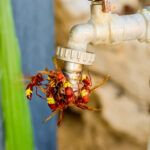
May is the start of wasp nesting season in Denver. Paper wasps and yellowjackets begin building small nests under eaves, balconies, and overhangs. Early nest removal is significantly safer and more cost-effective than addressing large colonies later in summer.
Exterior inspections should be routine this month, especially in common areas, playgrounds, and near entrances. Lawn pests and perimeter insects also become more noticeable, making May a high-priority month for exterior treatments.
Consistent monitoring now prevents mid-summer emergencies.
June is one of the busiest months for pest-related complaints. Insects are active, outdoor spaces are heavily used, and tenant tolerance is lower. Wasps, ants, flies, and mosquitoes are common concerns.
Property managers benefit from reinforcing preventative measures rather than relying on reactive service. Clear communication channels for reporting issues help resolve problems before they escalate into disputes or online complaints.
June is about visibility, responsiveness, and consistency.
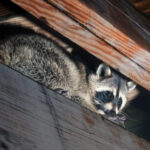
July brings increased wildlife activity. Raccoons, skunks, and squirrels may investigate buildings for food or shelter, especially near open space or greenbelts.
Property managers should inspect crawlspaces, decks, dumpsters, and outbuildings for signs of wildlife presence. Trash management becomes especially important during summer events and increased occupancy.
Mid-summer inspections allow managers to adjust strategies before late-season pressure intensifies.
August is when wasp colonies are largest and most defensive. Stings near pools, patios, and playgrounds become liability issues for HOAs and rental communities.
Professional wasp control is strongly recommended during this period. August is also a key planning month for fall rodent exclusion, as early preparation reduces winter infestations.
Addressing risks now prevents compounded problems later.
September is the most important month for proactive rodent control in Denver. As nights cool, rodents begin scouting for winter shelter.
Sealing entry points, repairing door sweeps, and inspecting foundations dramatically reduce winter infestations. Landscaping should be evaluated for harborage near buildings.
Fall exclusion work is one of the highest ROI services for property managers.
October is the last opportunity to complete exterior pest work before winter. Rodents and wildlife actively seek denning locations.
Attics, mechanical rooms, and shared walls should be inspected. Wildlife exclusion should be completed before animals establish winter shelter. Tenant communication helps manage expectations as activity shifts indoors.
In November, pest activity becomes primarily interior-focused. Rodent monitoring should intensify, especially in multi-unit buildings.
Tenant education plays a key role this month. Clear guidance on food storage, trash disposal, and reporting procedures prevents small issues from becoming widespread problems.
November is also a good time to evaluate annual service performance.
December is a planning and evaluation month. While rodents remain active, property managers should review service reports, complaint trends, and costs.
Budgeting for the upcoming year based on real data leads to fewer emergencies and better predictability. Partnering with a consistent provider allows pest control to be treated as an operational strategy rather than a crisis expense.
Reactive pest control costs more, creates more disruption, and damages tenant relationships. According to the National Pest Management Association, properties using preventative programs experience fewer infestations and lower long-term costs.
For landlords and HOAs, proactive planning also reduces liability, protects building integrity, and improves resident retention.
At Animal & Pest Control Specialists, we partner with Denver property managers to build customized annual pest and wildlife plans.
Our services include scheduled inspections, preventative treatments, rodent and wildlife exclusion, emergency response, documentation for compliance, and education for tenants and board members.
This partnership approach ensures accountability and consistent results.
Who is responsible for pest control in Denver rental properties?
In most cases, landlords are responsible for providing pest-free housing, while tenants are responsible for sanitation. Local ordinances and lease terms should always be reviewed.
How often should rental properties be inspected for pests?
Most Denver properties benefit from quarterly inspections, with additional seasonal monitoring for rodents and wildlife.
Are preventative pest programs worth the cost?
Yes. Preventative programs consistently reduce emergency service calls and long-term repair expenses.
How do HOAs coordinate pest control across multiple units?
Successful HOAs implement community-wide plans rather than unit-by-unit responses, ensuring consistency and better results.
When should property managers start planning for winter rodents?
September is the ideal month for rodent exclusion and prevention in Denver.
Stay ahead of Denver’s seasonal pest and wildlife pressures with a proactive, property manager-focused plan. Animal & Pest Control Specialists partners with landlords, HOAs, and rental property managers to deliver scheduled inspections, preventative treatments, rodent exclusion, and reliable year-round pest control solutions. Reduce emergency calls, protect tenant satisfaction, and safeguard your properties with a customized annual program. Call 303-529-7465 today to schedule a property management pest consultation.

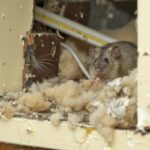
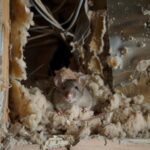
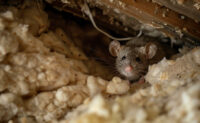
Mice can contaminate food-preperation areas with their feces and can cause severe damage to structures.

Here are the signs you should be looking for to identify new pest problems this season.

We offer all the pest control services you need, including prevention, removal, and extermination.

It’s hard to understand the value we offer until you’ve tried us. Our discount makes it easier for new customers to get the best value in pest control.