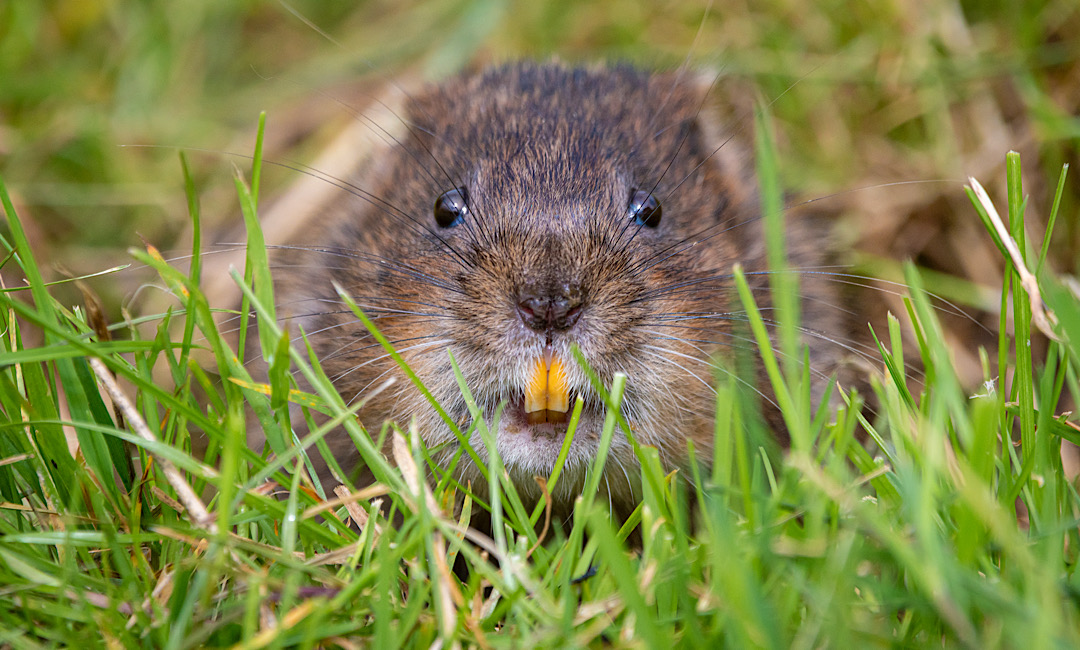






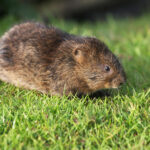




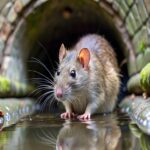
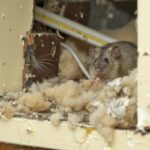



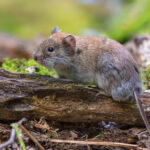





If you’ve stepped into your yard on a sunny winter day and noticed strange surface tunnels running under the snow, you’re not imagining things. Denver homeowners often blame snow and ice for lawn damage during colder months, but another culprit is usually at work: voles. These small rodents stay active year-round and are notorious for chewing through grass roots, shrubs, and even young trees while hidden beneath snow cover. At Animal & Pest Control Specialists, we’ve helped countless families uncover the real cause of their winter lawn woes—and more importantly, restore and protect their yards.
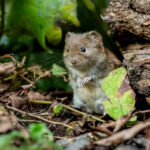
Unlike moles, which are insect eaters, voles are plant feeders. During Denver’s snowy months, voles take advantage of the insulation snow provides, building intricate tunnel systems across lawns. These hidden highways allow them to feed freely on roots and bark without fear of predators.
According to Colorado State University Extension, vole populations can explode quickly under favorable conditions, with females producing multiple litters per year. When food is scarce, they’ll gnaw on the base of shrubs, ornamental plants, and fruit trees, sometimes girdling them entirely and causing permanent damage.
The combination of snow cover, dormant grass, and easily accessible ornamental plants makes Denver lawns especially vulnerable from December through March. Unlike other pests that hibernate or slow down, voles remain active all winter long, which is why damage can be more severe during cold months than in summer.
Homeowners in neighborhoods close to open space, fields, or greenbelts face even greater risks. Natural predators such as hawks or foxes may be less active during storms or heavy snow cover, giving vole populations freedom to expand beneath the protective blanket of snow.
Spotting vole activity early is key to preventing long-term damage. Homeowners should look for:
In some cases, plants that looked healthy before winter will suddenly wilt or fail to regrow when spring arrives. That’s because voles feed on root systems as well as bark. Trees and shrubs can be especially vulnerable to girdling—where bark is stripped completely around the base, killing the plant.
Many Denver residents mistake this damage for snow mold or turf diseases, delaying the right treatment. But snow mold generally appears as matted, gray or pink patches on grass rather than long, visible runways or chewed stems. If you see patterns across your yard resembling tiny “highways” carved into the lawn, voles are almost certainly responsible.
It’s understandable to want to tackle the issue on your own, but voles present unique challenges. They reproduce quickly, travel in colonies, and adapt to simple deterrents. Store-bought repellents may reduce activity temporarily, but without addressing access points and food sources, the problem returns.
Some DIY methods, like poisoned bait, also pose risks to pets and neighborhood wildlife. At Animal & Pest Control Specialist, we’ve seen cases where dogs and birds were unintentionally exposed to rodenticides meant for voles. Even “natural” deterrents, such as castor oil sprays, often provide only short-lived relief—especially in snowy or wet winter conditions.
Timing is another issue. By the time tunnels become visible, vole populations may already be thriving underground. A few traps placed here and there won’t solve the problem. Without a coordinated approach, the colony will simply rebound, and the cycle continues.
Effective vole control requires a combination of removal and prevention. At Animal & Pest Control Specialist, our strategies often include:
Industry research shows that yards receiving professional vole management are up to 70% less likely to experience recurring damage than those treated with DIY products alone. Long-term prevention is just as critical as immediate removal—otherwise, populations will bounce back quickly.
Denver homeowners can take steps now to reduce the risk of extensive vole damage:
When spring comes, lawns that were protected or treated early often recover quickly. Grass begins to regrow, and shrubs or trees with intact roots bounce back. By contrast, untreated yards may face widespread dead patches, damaged landscaping, and even loss of ornamental trees.
Winter lawn damage doesn’t have to mean starting from scratch in the spring. By addressing vole activity now, Denver families can protect their landscapes and avoid costly repairs when the snow melts. At Animal & Pest Control Specialist, we use proven, pet-safe, and environmentally responsible methods to remove voles and prevent them from returning.
Your lawn deserves better than becoming a winter buffet for these destructive pests. Protecting your yard not only preserves curb appeal but also ensures healthier trees, shrubs, and turf come spring. For immediate help with vole damage—or to safeguard your property before the snow piles up—contact Animal & Pest Control Specialists today.

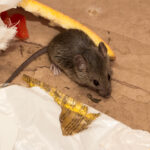
Mice can contaminate food-preperation areas with their feces and can cause severe damage to structures.
Here are the signs you should be looking for to identify new pest problems this season.
We offer all the pest control services you need, including prevention, removal, and extermination.

It’s hard to understand the value we offer until you’ve tried us. Our discount makes it easier for new customers to get the best value in pest control.