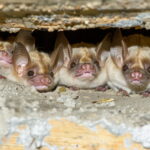






























Seeing a bat in or around your home can be alarming, especially if you’re unsure whether it’s a one-time occurrence or a sign of a larger issue. In Denver, bats are a protected and beneficial species, but that does not mean they belong inside residential structures. At Animal & Pest Control Specialists, we regularly help homeowners determine when bat activity is harmless and when it poses legitimate health or structural concerns.
Bats often go unnoticed for long periods because they are quiet, nocturnal, and skilled at accessing hidden areas like attics and rooflines. Understanding the warning signs, potential risks, and safe response options can help Denver homeowners act responsibly while protecting their families and property.
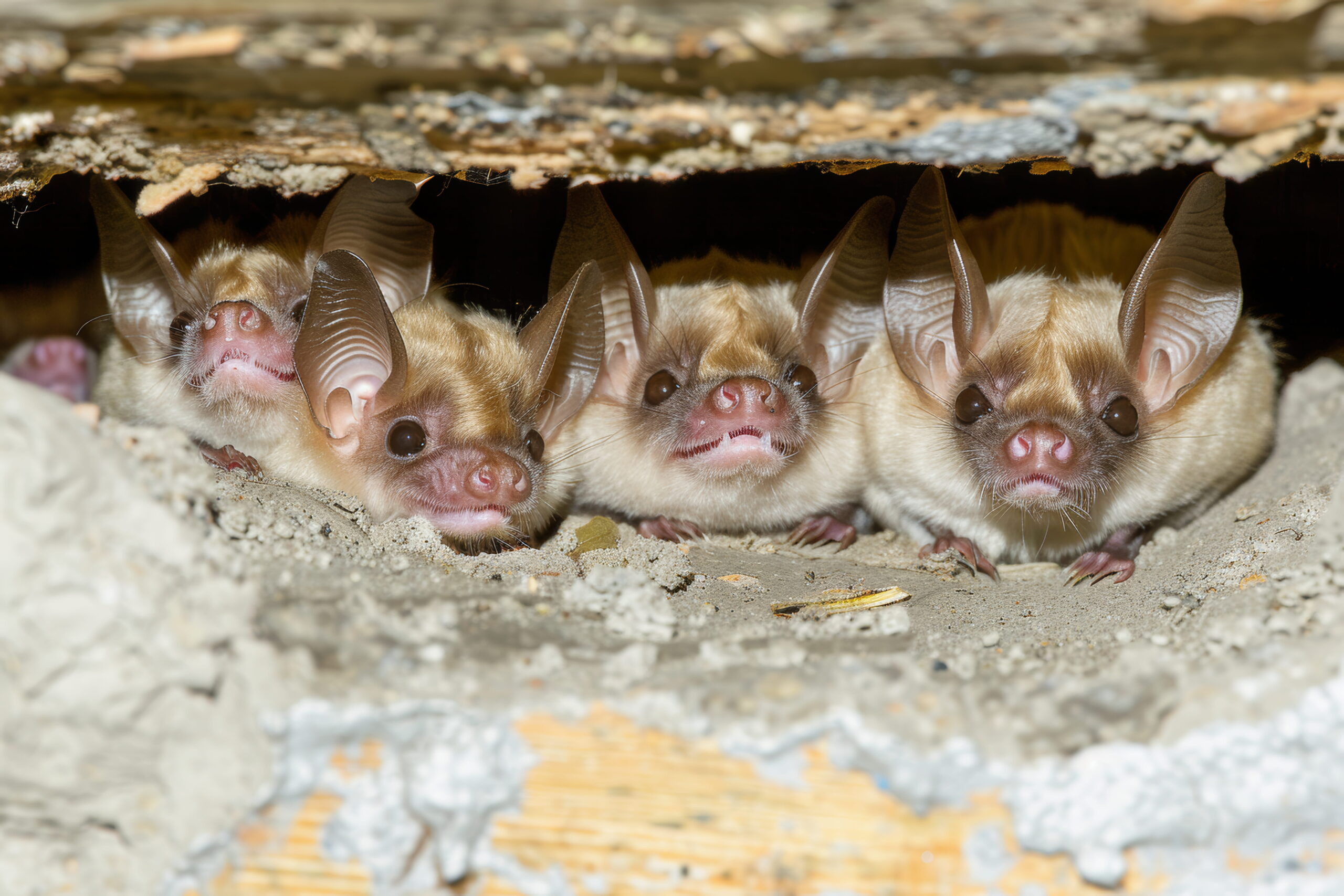
Colorado is home to several bat species, many of which thrive along the Front Range. Denver’s mix of older homes, newer developments, mature trees, and nearby open space provides ideal roosting conditions. Bats naturally seek warm, protected areas to rest during the day, and attics often mimic the caves and rock crevices they use in the wild.
Common reasons bats enter Denver homes include small gaps in rooflines, attic vents, chimney openings, and siding seams. Openings as small as half an inch are enough for a bat to enter. Seasonal factors also play a role. During spring and summer, female bats seek safe roosting areas to raise their young, while cooler fall temperatures may push bats toward warmer structures.
Not every bat sighting indicates a problem. A single bat accidentally entering a home through an open door or chimney is different from an established attic roost. Knowing how to tell the difference is essential.
Because bats are discreet, many homeowners don’t realize they have an issue until it progresses. Bats rarely fly through living spaces unless disoriented, but their presence leaves behind other signs that should not be ignored. These warning indicators are similar to those outlined in our guide on early signs of bat infestations.
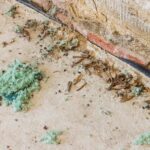
Common indicators of bat activity include scratching or rustling sounds in the attic at dusk or dawn, strong musty odors caused by guano accumulation, dark staining around roof gaps or vents, and small piles of droppings beneath roosting areas. You may also notice bats consistently emerging from the same spot on the exterior of the home at sunset.
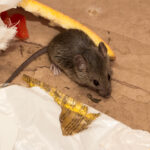
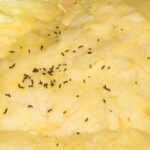
Bat guano is often mistaken for mouse droppings, but it is typically crumbly and contains insect fragments. Over time, guano buildup can cause insulation damage, wood deterioration, and air quality concerns within the home.
Rabies is one of the most common concerns homeowners have when bats are involved. While it is true that a small percentage of bats can carry rabies, the risk of transmission is often misunderstood. According to the Centers for Disease Control and Prevention, fewer than one percent of wild bats are infected with rabies, but bats are responsible for most human rabies cases in the United States due to unrecognized exposure.
Any direct contact with a bat, especially if a bat is found in a room where someone was sleeping, should be taken seriously. Bites can be very small and go unnoticed. In these cases, medical guidance should be sought immediately, and the bat should not be released without professional advice.
It is important never to handle bats with bare hands. Attempting to capture or remove a bat yourself increases the risk of exposure and injury.
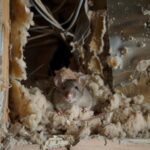
Bat guano presents both health and structural risks when allowed to accumulate. Over time, droppings can compress attic insulation, reducing its effectiveness and increasing energy costs. The weight and acidity of guano can also damage drywall, wood framing, and ceiling materials, which is why bat issues often overlap with the need for professional attic pest control.
From a health perspective, guano can harbor fungal spores associated with histoplasmosis, a respiratory illness that can become airborne when droppings are disturbed. According to the CDC, exposure is most likely in enclosed spaces with significant buildup, such as attics.
Odor is another issue. Guano produces a strong ammonia-like smell that can seep into living spaces, making homes uncomfortable and attracting insects and other pests.
A bat flying through a living space does not always mean there is an attic colony, but certain situations require immediate professional assistance.
You should call a professional right away if a bat is found in a bedroom, near children or pets, during the daytime, or appears injured or unable to fly. These scenarios increase the likelihood of exposure and require careful handling in compliance with public health guidelines.
Homeowners searching for “bat in house Denver what to do” are often unsure whether to act quickly or wait. When in doubt, erring on the side of caution protects both human health and the bat itself.
Unlike rodents, bats are protected wildlife in Colorado. There are strict regulations governing when and how bats can be excluded from homes. Improper removal methods can harm bats, violate state laws, or worsen the problem by trapping bats inside walls.
DIY attempts often involve sealing openings too early, which can trap flightless young inside during maternity season. This leads to odors, staining, and increased bat activity inside the home. Using repellents, lights, or noise devices is ineffective and can cause bats to relocate deeper into the structure.
Professional bat removal in Denver relies on humane exclusion techniques that allow bats to exit safely while preventing re-entry, as outlined in our overview of humane wildlife removal methods.
At Animal & Pest Control Specialists, bat control focuses on safety, compliance, and long-term prevention. Our process begins with a detailed inspection to identify species, entry points, and roosting locations. Timing is critical, as exclusion must avoid maternity season when young bats cannot fly.
Once conditions are appropriate, one-way exclusion devices are installed to allow bats to leave naturally. Entry points are sealed after all bats have exited, ensuring they cannot return. If guano is present, professional cleanup and sanitation are performed to restore attic conditions safely.
This approach protects homeowners while respecting Colorado wildlife regulations.
Prevention is key once bats have been excluded. Homes should be maintained to eliminate entry opportunities and discourage roosting.
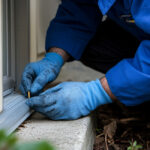
Effective prevention steps include sealing roofline gaps and attic vents, installing chimney caps, maintaining siding and flashing, and scheduling routine inspections. Exterior lighting should be positioned to avoid attracting insects near rooflines, as insects are a primary food source for bats.
Regular attic inspections are especially important in older Denver homes, where materials may shift or deteriorate over time. Seasonal strategies may also differ, which is why timing-based solutions like winter bat exclusion in Denver are sometimes recommended.
Yes. While bats themselves are not aggressive, guano buildup and potential rabies exposure make attic colonies a health and structural concern.
Avoid contact, isolate the area if possible, and contact a professional. If the bat was in a sleeping area, seek medical advice immediately.
Bats do not chew like rodents, but guano accumulation can damage insulation, wood, and ceilings over time.
Yes, when performed humanely and in compliance with Colorado wildlife regulations. Timing and methods are critical.
Late summer and early fall are typically ideal, once young bats can fly. A professional inspection determines proper timing.
Bats play an important role in Colorado’s ecosystem, but they do not belong inside residential structures. Recognizing the warning signs early and responding safely can prevent costly damage and health concerns. Animal & Pest Control Specialists provides experienced, compliant bat removal and attic remediation services throughout Denver. Scheduling a professional evaluation ensures bats are handled humanely while keeping your home safe and secure.

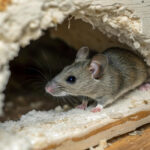
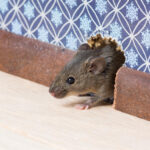
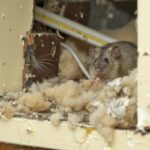
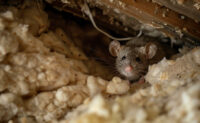
Mice can contaminate food-preperation areas with their feces and can cause severe damage to structures.
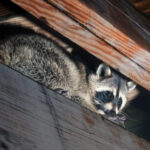
Here are the signs you should be looking for to identify new pest problems this season.

We offer all the pest control services you need, including prevention, removal, and extermination.

It’s hard to understand the value we offer until you’ve tried us. Our discount makes it easier for new customers to get the best value in pest control.