Finding rodent droppings in your garage can be unsettling, but it is also one of the most common early warning signs of a mouse or rat problem in Denver homes. At Animal & Pest Control Specialists, we frequently speak with homeowners who discover droppings near stored items, along garage walls, or close to entry doors and are unsure what to do next. While some situations can be handled safely with basic precautions, others present serious health risks and require professional intervention.
Denver’s climate, seasonal temperature shifts, and proximity to open land make garages especially attractive to rodents. Garages often provide warmth, shelter, food remnants, and easy access to the rest of the home. Knowing how to identify rodent droppings, understand the risks involved, and determine when DIY cleanup is appropriate versus when expert help is necessary can protect both your health and your property.
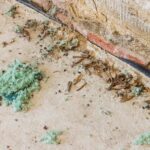
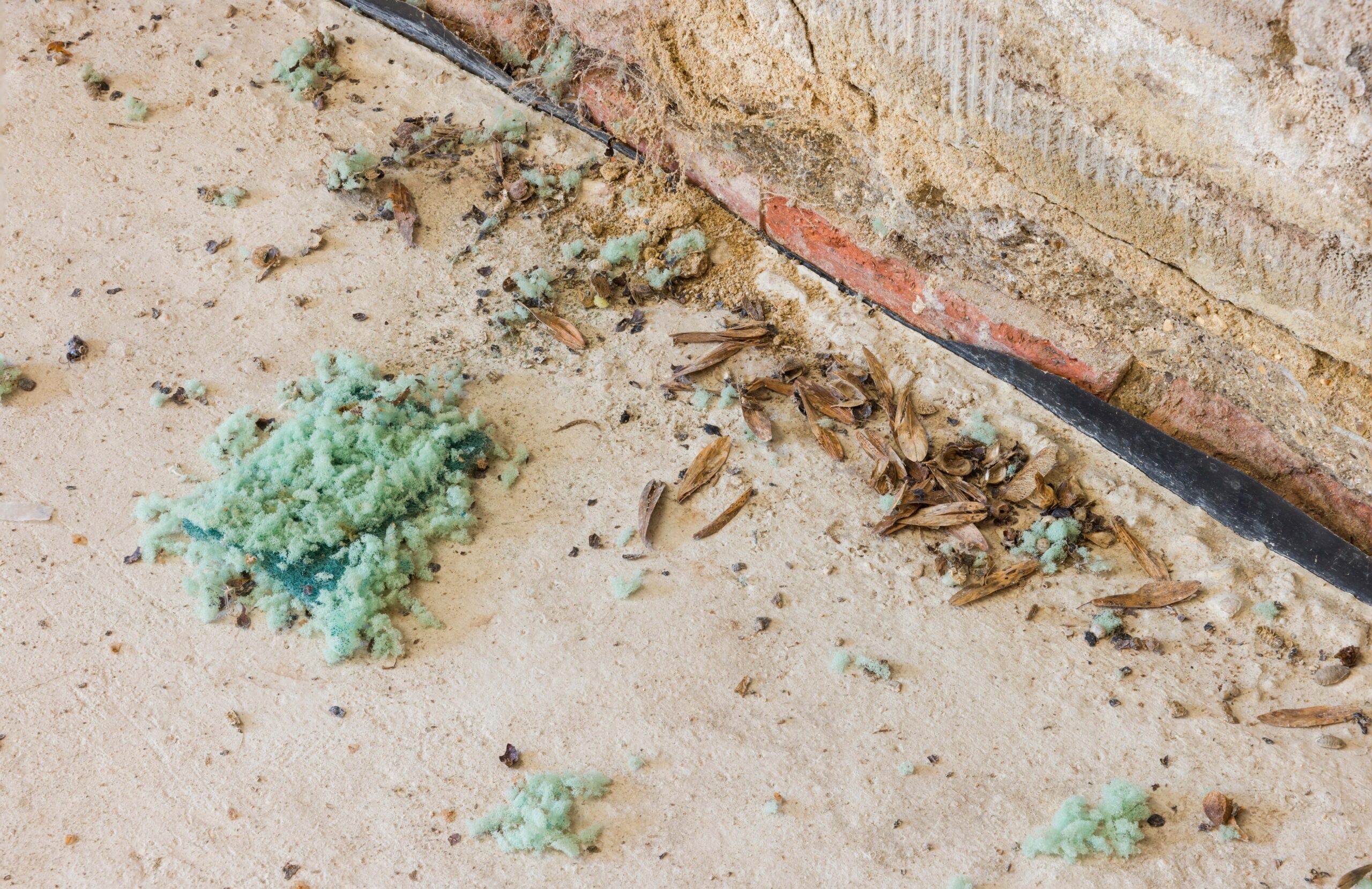
Rodent droppings are more than just an unpleasant mess. They are a clear sign of current or recent rodent activity. Mice and rats defecate frequently, often leaving dozens of droppings each day along their travel routes. In garages, droppings are commonly found near walls, behind storage boxes, under shelving, and around pet food or trash containers.
Mouse droppings are typically small, dark, and pointed at both ends, resembling grains of rice. Rat droppings are larger, blunt-ended, and often clustered in specific areas. The size, quantity, and freshness of droppings help determine the severity of the infestation.
Fresh droppings are dark and moist, while older droppings become dry and crumbly. If droppings continue to appear after cleanup, it usually indicates active rodents using the garage as part of their nesting or travel route. In Denver homes, garages often act as a staging area where rodents establish themselves before moving deeper into the house.
One of the most important reasons to take rodent droppings seriously is the health risk they pose. According to the Centers for Disease Control and Prevention, rodents can carry diseases that are transmitted through droppings, urine, saliva, and nesting materials. These risks align with how pest infestations affect human health.
Health concerns linked to rodent droppings include:
The CDC emphasizes that sweeping or vacuuming rodent droppings can increase the risk of exposure by releasing contaminated particles into the air. This is especially concerning in enclosed spaces like garages, where ventilation may be limited.
Children, elderly individuals, and people with compromised immune systems are particularly vulnerable. Even healthy adults can experience symptoms ranging from mild flu-like illness to more severe respiratory complications if exposed improperly.
Not every situation requires professional cleanup, but it is important to know the limits of DIY methods. In cases where droppings are minimal and there is no evidence of an active infestation, homeowners may be able to handle cleanup safely with proper precautions.
DIY cleanup may be appropriate if:
Safe DIY cleanup steps include:
It is also important to disinfect any surfaces that may have come into contact with droppings, including shelves, floors, and stored items. Cardboard boxes should be discarded, as they can absorb contaminants and attract future rodents.
In many Denver garages, droppings are only the visible symptom of a much larger issue. Rodents are highly efficient at hiding nests inside wall voids, insulation, and storage clutter. If droppings continue to reappear or are widespread, professional assistance is strongly recommended.
Call a professional if:
These warning signs often overlap with other signs of pest infestation, indicating the issue may already extend beyond the garage.
The National Pest Management Association reports that rodents can reproduce rapidly, with mice capable of producing multiple litters per year. What begins as a small garage issue can quickly spread into living spaces if not addressed properly.
Garages are often the easiest point of entry for rodents. In Denver, seasonal weather shifts push mice and rats indoors during colder months, and garages provide an ideal transition space. Gaps around garage doors, cracked foundations, utility penetrations, and cluttered storage areas create perfect conditions for rodent activity.
Many garages are not sealed or insulated as thoroughly as living spaces. This allows rodents to enter unnoticed and establish safe pathways into walls and ceilings. Once inside, they often follow structural voids and utility lines deeper into the home.
Urban expansion also plays a role. As Denver neighborhoods grow into undeveloped land, rodent habitats are disrupted, increasing pressure on residential structures as shelter options.
At Animal & Pest Control Specialists, we take a health-first approach to rodent droppings cleanup and control. Professional services go far beyond surface cleaning and address both contamination and the underlying rodent activity, reflecting the importance of professional pest control.
Our process typically includes:
Professional cleanup is especially important when droppings are extensive or located near HVAC systems, storage items, or interior access points. According to the Journal of Environmental Health, professional remediation significantly reduces airborne contaminants compared to DIY methods in enclosed spaces.
Prevention is key to avoiding repeat issues. Once droppings are removed and rodents are addressed, proactive steps can help keep your garage rodent-free.
Effective prevention tips include:
Routine inspections are especially important in Denver, where temperature fluctuations can cause materials to shift and create new access points over time. Many homeowners weigh options outlined in DIY vs. professional pest control pros and cons when deciding how proactive to be.
They can be. Improper cleanup may expose you to airborne bacteria or viruses. Small amounts may be handled safely with precautions, but larger or repeated findings should be addressed by professionals.
Mouse droppings are small and pointed, while rat droppings are larger and blunt. The size and location can help identify the species.
Yes. Rodents defecate frequently, so droppings usually indicate ongoing activity rather than a single visitor.
Yes. Droppings and urine leave scent trails that attract other rodents and insects if not properly removed.
If droppings are widespread, keep returning, or pose health concerns, professional cleanup and rodent control are the safest options.
Rodent droppings in the garage are never something to ignore, but they don’t always mean panic is necessary. The key is knowing when careful DIY cleanup is enough and when the situation requires professional help. Animal & Pest Control Specialists provides trusted, health-focused rodent cleanup and control services throughout Denver. Scheduling an inspection can help protect your home, your health, and your peace of mind before a small problem becomes a larger one.

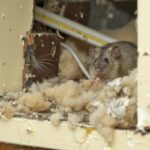
Mice can contaminate food-preperation areas with their feces and can cause severe damage to structures.

Here are the signs you should be looking for to identify new pest problems this season.

We offer all the pest control services you need, including prevention, removal, and extermination.

It’s hard to understand the value we offer until you’ve tried us. Our discount makes it easier for new customers to get the best value in pest control.