For many Denver homeowners, creating a pet-friendly yard is an essential part of making a house feel like home. Dog runs, dog doors, and outdoor pet spaces give dogs freedom to move between indoor and outdoor areas while helping owners maintain a cleaner home and a happier pet. However, these convenient features can sometimes create unintended opportunities for pests.
Rodents, insects, and other nuisance animals are often attracted to the same outdoor spaces that pets enjoy. Food bowls, shaded areas, dog houses, and even the opening created by a dog door can become entry points or attractants for pests.
Understanding how dog-friendly yard setups may contribute to pest problems can help Denver pet owners protect both their homes and their pets.
Dog runs are typically located along the side or back of a yard and are designed to provide a safe, enclosed outdoor space where dogs can exercise and relieve themselves. While these areas are convenient for pet owners, they may also create conditions that attract pests.
Several factors make dog runs appealing to insects and wildlife:
These conditions can attract pests such as ants, flies, rodents, and wasps if not properly maintained.
Regular cleaning and monitoring of dog run areas can significantly reduce pest activity.
Dog doors are incredibly convenient for busy households, but they can also create potential entry points for pests if they are not properly installed or maintained.
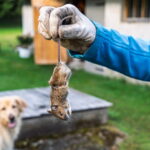
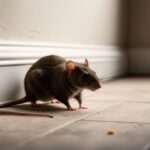
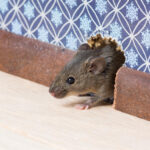
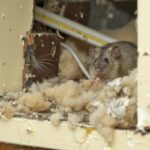
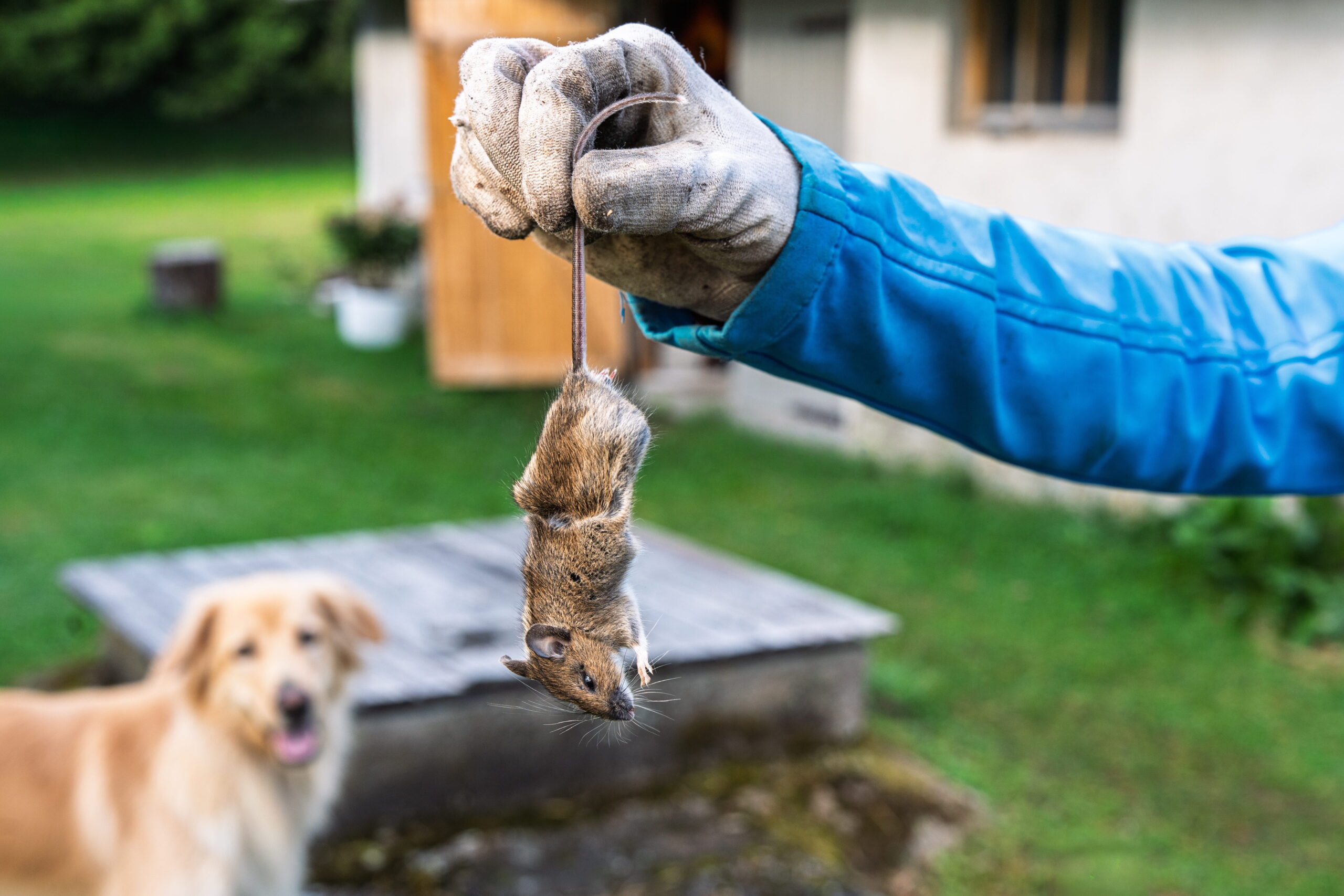
Small rodents such as mice and rats can sometimes squeeze through poorly fitted dog doors, especially if the door flap becomes damaged or worn over time.
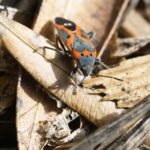
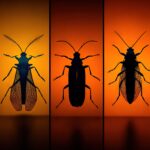
In addition to rodents, insects such as spiders and cockroaches may enter homes through gaps around pet doors or nearby wall openings.
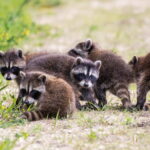
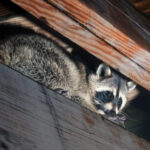
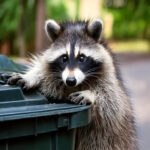
Some wildlife species in Colorado, including raccoons, have even been known to push open unsecured dog doors in search of food.
Choosing high-quality pet doors with tight seals and secure locking mechanisms helps prevent these issues.
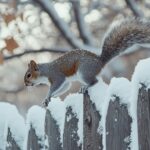
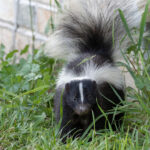
Outdoor pet feeding areas can attract pests if food is left outside for extended periods. Rodents, raccoons, skunks, and even coyotes are opportunistic feeders that will take advantage of easily accessible food sources.
In Denver neighborhoods where wildlife is already present, pet food can unintentionally draw animals closer to homes.
To reduce the risk of attracting pests:
Managing food sources is one of the most effective ways to discourage pests from visiting pet areas.
Water bowls and pet fountains are necessary for keeping dogs hydrated, especially during Colorado’s warm summers. However, standing water can attract insects if not properly managed.
Mosquitoes, flies, and other insects often breed in stagnant water. While a regularly used dog bowl is unlikely to become a major breeding site, spills or neglected water containers can create problems.
To reduce insect activity:
These small habits help keep pet areas cleaner and less attractive to insects.
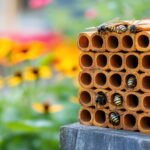
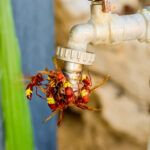
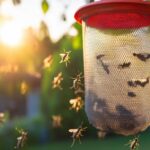
Wasps often build nests in sheltered areas such as fences, roof eaves, dog houses, and sheds. Dog runs located near these structures may unintentionally provide ideal nesting locations.
Wasps are particularly drawn to quiet, protected spaces that offer structural support for building nests.
If a dog run is located near a deck, fence line, or overhang, these areas should be inspected regularly during warmer months.
Early detection of nests can help prevent larger infestations and reduce the risk of pets encountering aggressive insects.
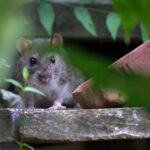
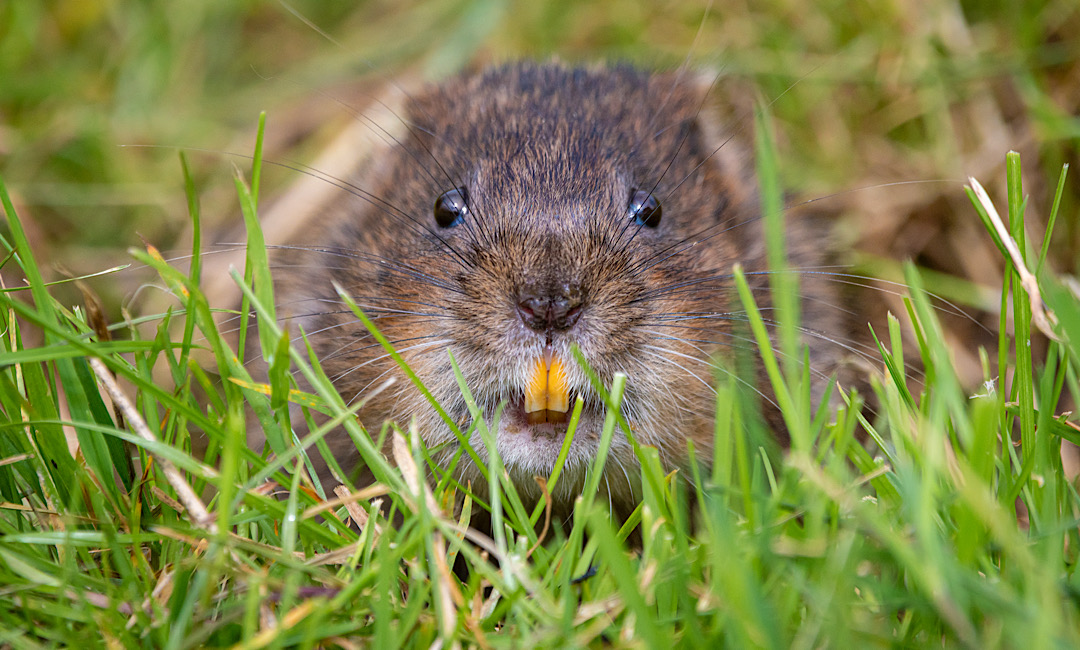
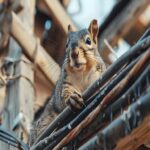
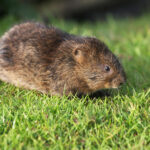
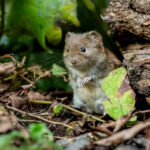
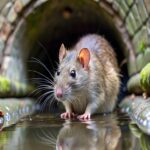
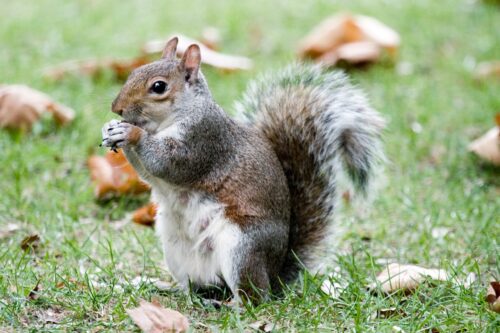
Rodents such as mice and rats are common throughout Denver and may be attracted to dog runs that offer shelter and food sources.
Common rodent attractants include:
Rodents can hide under structures, dig near fencing, or nest in nearby vegetation.
Keeping dog run areas clear of debris and trimming landscaping around the enclosure can help reduce rodent activity.
A well-designed dog run can reduce the likelihood of pest problems while still providing a safe outdoor environment for pets.
Helpful design considerations include:
These design choices make the space less attractive to pests while improving cleanliness and hygiene.
Yard maintenance plays a major role in preventing pest problems around dog runs and pet areas.
Simple landscaping practices can make a big difference in reducing pest activity.
Helpful maintenance habits include:
These actions remove food sources and hiding places that pests depend on.
Pet owners should regularly inspect outdoor areas for signs of pest activity, particularly in spaces where dogs spend time.
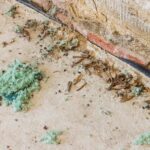
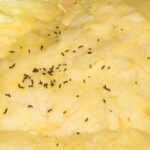
Warning signs may include:
Catching these problems early allows homeowners to address them before they grow into larger infestations.
Pet safety should always be a top priority when dealing with pest problems.
Professional pest control companies that work with pet-friendly households often use targeted treatments and integrated pest management strategies designed to reduce risks for animals.
These approaches may include:
Working with experienced pest control professionals ensures pest issues are handled safely and responsibly.
Yes. Mice and rats can sometimes squeeze through damaged or poorly fitted dog doors.
Dog runs can attract pests if food, water, waste, or shelter is available in the area.
Raccoons are intelligent animals and may push open unsecured pet doors if they detect food inside.
Keeping the area clean, storing food properly, and maintaining landscaping around the run can help reduce pest attraction.
Yes. Many pest control companies offer pet-safe treatments and preventative strategies designed for homes with animals.
Dog runs and dog doors make life easier for Denver pet owners, but they can also create opportunities for pests if outdoor spaces are not properly maintained. By managing food sources, eliminating shelter areas, and monitoring pet spaces regularly, homeowners can significantly reduce pest activity around their yards.
Animal & Pest Control Specialists helps Denver homeowners protect their homes, yards, and pets with responsible pest control strategies designed for pet-friendly households.
If pests are becoming a problem around your dog’s outdoor setup, professional pest control services can help identify the source of the issue and provide effective, pet-safe solutions.

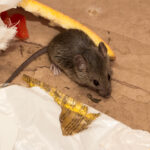
Mice can contaminate food-preperation areas with their feces and can cause severe damage to structures.
Here are the signs you should be looking for to identify new pest problems this season.
We offer all the pest control services you need, including prevention, removal, and extermination.

It’s hard to understand the value we offer until you’ve tried us. Our discount makes it easier for new customers to get the best value in pest control.