Pest Control Blog
Tuesday, July 1, 2025
Why Pigeons Are a Problem in Colorado Neighborhoods In urban and suburban areas throughout the Front Range, pigeons thrive. Their adaptability allows them to nest year-round and exploit human-provided food and shelter. Unfortunately, this means they often nest on rooftops, under solar panels, or near HVAC vents—leading to structural damage and noise issues. Common nuisance […]
Continue Reading
Saturday, June 28, 2025
August’s intense heat in the Denver Metro Area doesn’t just make afternoons uncomfortable—it also fuels a surge in wasp activity. Yellowjackets and paper wasps become especially aggressive in late summer, posing a hazard for families outdoors. Understanding how to deter these pests before they establish a nest can save homeowners from painful stings and costly […]
Continue Reading
Thursday, June 19, 2025
Squirrels may seem harmless, but when they invade homes, they can cause extensive damage. Their constant chewing can destroy wiring, insulation, and wooden structures, leading to costly repairs and fire hazards. Understanding how to prevent squirrel infestations and remove them safely can help protect both property and wildlife. Common Signs of Squirrel Damage Squirrels are […]
Continue Reading
Thursday, June 5, 2025
Bats play a vital role in the ecosystem by controlling insect populations, but they don’t belong in homes. When bats take up residence in an attic, they can cause structural damage, spread diseases, and create hazardous living conditions. Identifying an infestation early and seeking professional removal can help prevent serious issues. Signs of a Bat […]
Continue Reading
Tuesday, June 3, 2025
Nestled at the base of the Rocky Mountains, Denver offers residents beautiful views, an active lifestyle, and a strong connection to nature. But as the city expands and neighborhoods grow closer to open spaces and wooded corridors, the boundaries between human living and wildlife habitats continue to blur. One increasingly common side effect? The unwelcome […]
Continue Reading
Thursday, May 22, 2025
Mosquito season in the Denver Metro Area can quickly turn outdoor spaces into uncomfortable, itchy environments. These pests are more than just a nuisance—they can carry diseases and impact the enjoyment of summer activities. Understanding how to control mosquito populations can help create a more comfortable outdoor experience. Why Mosquito Control Is Important Mosquitoes thrive […]
Continue Reading
Thursday, May 8, 2025
Colorado is home to a diverse range of wildlife, including several species of snakes. While many are harmless, a few can pose risks to homeowners. Understanding which snakes are common in the Denver Metro Area, how to keep them away, and what to do if one is found can provide peace of mind and help […]
Continue Reading
Thursday, April 24, 2025
As temperatures rise in Denver, voles and mice become more active, seeking food and shelter in yards, gardens, and homes. These small rodents may seem harmless, but they can cause significant damage to landscapes and structures if left unchecked. From tunneling through lawns to chewing on wiring, their presence can lead to costly repairs and […]
Continue Reading
Tuesday, April 22, 2025
Serving the Denver Metro Area from Castle Rock to Boulder Signs You Might Have Rats Trails: Leave oily smudges on baseboards or walls Make well-worn trails in grass and low vegetation Prints can be seen in dust Droppings: Up to 1 inch long Bullet-shaped Burrows: Outside they like burrows in grassy embankments and under sheltering […]
Continue Reading
Sunday, April 20, 2025
Serving the Denver Metro Area from Castle Rock to Boulder Signs You Have a Raccoon Problem Look for tracks: Like small human hand prints with claws, 2-4 inches long Tracks or mud smudges can often be seen where they climb to gain access to their den, such as the side of a wall, often beside […]
Continue Reading
Thursday, April 10, 2025
As temperatures rise in Denver, spring pests like ants, mosquitoes, and spiders become more active, seeking food, water, and shelter in homes. Without proper prevention, these pests can quickly turn into a frustrating problem, leading to infestations that are difficult to manage. Taking proactive steps early in the season can help protect your home from […]
Continue Reading
Thursday, March 20, 2025
Spring is the perfect time to refresh your home, but it’s also an opportunity to prevent pests from making themselves comfortable as the weather warms. Ants, spiders, cockroaches, and other unwanted critters are drawn to clutter, food scraps, and hidden spaces. Incorporating pest-prevention strategies into your spring cleaning routine can help protect your Denver home […]
Continue Reading
Wednesday, March 5, 2025
As spring arrives in Denver, so do skunks searching for food, shelter, and places to nest. While they play an important role in the ecosystem, skunks on your property can cause significant problems, from digging up lawns to creating unpleasant odors. Understanding how to deter skunks humanely and prevent them from settling on your property […]
Continue Reading
Tuesday, February 25, 2025
Voles are a serious threat to lawns, gardens, and landscaping in Denver, causing damage to plant roots, tree bark, and grass. Unlike moles, which dig deep underground tunnels, voles create surface runways that lead to unsightly patches of dead grass and weakened vegetation. If left untreated, a vole infestation can quickly grow out of control, […]
Continue Reading
Thursday, February 20, 2025
As the snow melts and temperatures rise, spring marks a fresh start—but it also signals the return of pests. Ants, spiders, and other insects become more active during this time, searching for food, water, and shelter. For Denver homeowners, taking steps to prevent these unwelcome guests is essential for maintaining a pest-free home. Animal & […]
Continue Reading
Wednesday, February 5, 2025
Bats play an essential role in the ecosystem, controlling insect populations and aiding pollination. However, when they take up residence in your home, they can create health risks and structural damage. Identifying a bat infestation early is crucial for addressing the problem humanely and preventing further complications. In Denver, homes and businesses are particularly vulnerable […]
Continue Reading
Monday, January 20, 2025
As winter settles over Denver, rodents like mice and rats seek warmth and shelter, often finding their way into homes and businesses. While they may seem like minor nuisances, rodent infestations can pose significant risks to both health and property. Understanding these dangers and taking proactive steps to prevent infestations is essential for maintaining a […]
Continue Reading
Friday, January 10, 2025
As the cold weather sets in, many Denver homeowners experience a sudden uptick in rodent activity. Mice and rats, like many other pests, seek out warmth, food, and shelter during the winter months, making homes an ideal target. Winter is prime time for rodent infestations, as these creatures look for refuge from the cold while […]
Continue Reading
Sunday, January 5, 2025
As winter sets in and temperatures drop, Denver homeowners often face an increase in uninvited wildlife visitors. Squirrels, raccoons, mice, and other critters are drawn to the warmth and shelter homes provide during the cold months. While these animals may seem harmless, they can cause significant damage to your property and create health risks for […]
Continue Reading
Wednesday, December 18, 2024
Pest infestations can cause significant damage to property and pose health risks to occupants. While DIY pest control methods can be effective for minor issues, hiring professional pest control services offers numerous benefits for comprehensive and long-lasting pest management. This article explores the advantages of professional pest control and why it is a wise […]
Continue Reading
Thursday, December 5, 2024
As the temperature drops and winter approaches, bats, like many other animals, seek warm refuge in sheltered spaces such as attics, barns, or garages. While bats play an essential role in controlling insect populations, their presence inside homes can create problems, including health risks from guano (bat droppings) and potential structural damage. For Denver residents, […]
Continue Reading
Wednesday, December 4, 2024
The holiday season is a time for celebrations, family gatherings, and festive decorations. However, it can also be a prime time for pests to invade your home in search of warmth, food, and shelter. Managing pests during the holidays is essential to ensure that your festivities are not disrupted by unwanted guests. This guide provides […]
Continue Reading
Wednesday, November 20, 2024
Voles, often mistaken for mice or moles, are small rodents that can cause significant damage to gardens, lawns, and landscapes. Understanding vole behavior is crucial for effective pest management and control. This article provides a detailed look at vole behavior and offers strategies to manage and control vole infestations. What Are Voles? Voles are small, […]
Continue Reading
Sunday, November 17, 2024
As temperatures begin to drop in Denver, homeowners may find that squirrels, among other pests, are seeking warmth and shelter inside attics, garages, or basements. While squirrels might seem harmless when scurrying around trees and parks, they can cause significant damage if they make their way into homes. These critters not only chew through wires, […]
Continue Reading
Wednesday, November 6, 2024
As temperatures drop, various pests seek shelter, warmth, and food inside homes, making winter pest control essential for maintaining a comfortable and healthy living environment. Effective pest control during the winter months requires understanding the behaviors of common winter pests and implementing proactive measures to prevent and manage infestations. This article provides comprehensive tips for […]
Continue Reading
Wednesday, October 23, 2024
Mice infestations are a common problem for homeowners, especially during colder months when these rodents seek warmth and shelter indoors. Mice can cause significant damage, contaminate food, and pose health risks. This article provides comprehensive tips and strategies for dealing with mice infestations effectively. Identifying a Mouse Infestation Before you can address a mouse infestation, […]
Continue Reading
Wednesday, October 9, 2024
Pest control is a critical aspect of maintaining a healthy and comfortable home, yet many myths and misconceptions persist about the best ways to manage pests. These myths can lead to ineffective pest control measures and exacerbate infestations. This article aims to debunk some of the most common pest control myths, providing you with accurate […]
Continue Reading
Monday, September 30, 2024
Managing prairie dogs on your Denver-area property is crucial to maintaining a healthy lawn and garden. These small, burrowing rodents can cause significant damage, turning your yard into a network of holes and tunnels that weaken the soil and disrupt plant growth. Why Prairie Dogs Are a Problem Prairie dogs may seem harmless, but their […]
Continue Reading
Tuesday, September 24, 2024
Pest control is a critical aspect of home maintenance, and one of the most effective strategies for preventing infestations is sealing entry points. Pests such as insects, rodents, and even small wildlife can exploit tiny gaps and cracks in your home’s exterior to gain access to the warmth and food inside. This article explores why […]
Continue Reading
Tuesday, September 10, 2024
Mice and roach infestations can be particularly troublesome in urban areas like Denver, where these pests find ample opportunities to invade homes. Understanding how to effectively manage and prevent these infestations is crucial for maintaining a safe and healthy living environment. Recognizing Signs of Infestation Identifying the early signs of mice or roach infestation […]
Continue Reading
Tuesday, September 10, 2024
As the crisp air of autumn descends on Denver, it brings with it a variety of common fall pests seeking shelter in the warmth of homes. Preparing your home for these pests is crucial to maintaining a comfortable and healthy living environment. This guide will help you identify common fall pests in Denver and provide […]
Continue Reading
Thursday, September 5, 2024
In Denver, encountering a snake on your property can be a startling experience, especially with the variety of species in the region. While many of these snakes are harmless, it’s important to address their presence safely and humanely to ensure the safety of both your family and the local wildlife. Understanding Denver’s Snake Population Denver […]
Continue Reading
Monday, August 26, 2024
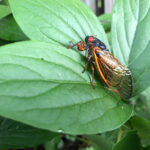
Cicadas are an interesting phenomenon in Colorado, known for their loud buzzing sounds that fill the summer air. While these insects are generally harmless to humans and pets, their presence can be overwhelming due to their sheer numbers. Understanding their lifecycle and behavior is crucial for managing their impact on your property. Understanding Cicada Lifecycle […]
Continue Reading
Friday, August 23, 2024
Fire ants are a serious threat to Colorado homeowners due to their aggressive behavior and painful stings. Understanding how to identify and remove these pests safely is vital to maintaining a secure environment. Identifying Fire Ants Fire ants are distinguishable by their reddish-brown color and their tendency to build large, sandy mounds. Unlike other ant […]
Continue Reading
Wednesday, August 21, 2024
As a pet owner, maintaining a pest-free home is crucial, but it’s equally important to ensure that pest control methods do not harm your pets. Many traditional pest control products can pose significant health risks to animals. This article provides a comprehensive guide to managing pests safely and effectively without endangering your beloved pets. […]
Continue Reading
Wednesday, August 7, 2024
Denver, Colorado, is known for its beautiful landscapes and vibrant outdoor activities. However, the city is also home to various pests that can become a nuisance for residents and businesses. Understanding and identifying these common pests is the first step in effective pest management. This guide will help you identify some of the most common […]
Continue Reading
Wednesday, July 24, 2024
Managing pests is a crucial task for homeowners and businesses. Whether it’s ants, mosquitoes, rodents, or other pests, the decision between handling pest control on your own (DIY) or hiring professional pest control services can significantly impact the effectiveness of your efforts. This article explores the pros and cons of DIY pest control versus professional […]
Continue Reading
Wednesday, July 10, 2024
Summer Pests in Denver Summer in Denver, Colorado, is a season of warmth and outdoor activities. However, it also brings a surge in pest activity. As temperatures rise, common pests such as ants and mosquitoes become more prevalent, posing challenges to homeowners and businesses alike. This article will explore effective strategies to keep these pests […]
Continue Reading
Monday, June 24, 2024
Addressing Common Myths About Pest Control and Offering Factual Insights When it comes to pest control, misinformation can lead to ineffective practices, wasted resources, and in some cases, worsening pest problems. Dispelling these myths is crucial for homeowners to approach pest control effectively and safely. This article addresses some of the most persistent myths […]
Continue Reading
Monday, June 10, 2024
A Guide to Understanding and Preparing for Seasonal Pests in Denver Denver, with its unique climate that encompasses warm summers and cold winters, experiences a variety of seasonal pests throughout the year. Each season brings a new set of challenges for homeowners looking to protect their properties from unwelcome visitors. Understanding the seasonal patterns […]
Continue Reading
Monday, May 27, 2024
Exploring the Benefits of Professional Pest Control Versus DIY Methods In the battle against household pests, homeowners are often faced with a choice: to call in the professionals or to tackle the problem with do-it-yourself (DIY) methods. While DIY approaches can be tempting due to perceived cost savings and immediate action, the benefits of professional […]
Continue Reading
Monday, May 13, 2024
Expert Advice on Preventing Common Pest Infestations in Denver Homes Denver’s unique climate and geography make it a wonderful place to live but also poses specific challenges in terms of pest control. From rodents scurrying in the shadows to insects buzzing in the air, pests can be more than just a nuisance; they can […]
Continue Reading
Monday, April 29, 2024
Exploring Effective and Ethical Solutions for Managing Nuisance Wildlife The intersection of human habitats with that of wildlife has led to an increased need for wildlife removal services, particularly in areas where urban and rural environments meet. This situation necessitates a humane approach to wildlife removal, ensuring the safety and well-being of both humans […]
Continue Reading
Monday, April 15, 2024
Denver, known for its picturesque landscapes and vibrant outdoor lifestyle, also faces challenges from local wildlife and pests that can threaten homes and peace of mind. Protecting your property requires a multifaceted approach, blending preventive measures with effective management strategies. This article delves into the intricacies of common Denver pests, including rodents, insects, and […]
Continue Reading
Monday, March 18, 2024
Skunk Removal Near Me: Safe Handling in the Denver Metro Area Skunks, common in the Denver area, are known for their distinctive appearance and potent odor. While they play a role in the ecosystem, skunk encounters can be unsettling and potentially problematic for residents. Understanding skunk behavior and knowing how to handle encounters safely […]
Continue Reading
Thursday, March 7, 2024
Balancing Squirrel Control with Ecological Considerations in the Denver Metro Area Squirrels, while often seen as playful and harmless, can become a significant nuisance in urban and suburban areas like Denver. Their presence in large numbers can lead to various issues, prompting the need for effective control measures. However, it’s essential to balance these […]
Continue Reading
Sunday, February 25, 2024
Effective Management of Prairie Dog Issues in the Denver Metro Area Prairie dogs, common in the Denver area, can be a challenge for property owners. While they are an integral part of the local ecosystem, their burrowing habits can cause damage to landscapes and structures. Implementing effective control measures while considering the ecological importance […]
Continue Reading
Saturday, February 10, 2024
Effective Strategies for Dealing with Bat Infestations in Denver Homes and Buildings Bats, while playing a vital role in our ecosystem, can become a nuisance and health hazard when they infest homes and buildings in the Denver metro area. Understanding how to deal with these infestations responsibly and safely is crucial for homeowners and […]
Continue Reading
Saturday, January 20, 2024
Ensuring Safe and Sustainable Practices for Honey Bee Control in the Denver Metro Area Honeybees play a crucial role in our ecosystem, particularly in pollination. However, when they establish hives in or near human habitats in the Denver area, they can pose risks and necessitate removal. Ensuring the safety and preservation of these vital […]
Continue Reading
Wednesday, January 10, 2024
Effective Strategies for Mouse Control in the Denver Metro Area Mice, a common pest in the Denver area, can be more than just a nuisance. They pose health risks and can cause significant property damage. Effective mouse control involves both preventive measures to deter these pests from entering homes and removal strategies if they’ve […]
Continue Reading
Wednesday, December 20, 2023
The Growing Need for Professional Vole Extermination Services In the Denver Metro area, the presence and proliferation of voles have become a significant concern for homeowners and businesses alike. Voles, often confused with moles or field mice, are small rodents known for their burrowing habits, which can cause extensive damage to gardens, lawns, and even […]
Continue Reading
Saturday, November 4, 2023
Ever walked into your living room, coffee in hand, only to find your favorite fern looking like it’s had a rough night? Maybe the leaves are drooping, there’s a weird stickiness on the table, or worse—there’s a tiny bug party happening on the stems. Welcome to the world of common houseplant pests, a place where […]
Continue Reading
Sunday, October 15, 2023
In the beautiful Mile High City, where nature thrives and urban life bustles, there’s a small battle being waged in our very homes—against bugs in our food storage areas. Keeping our food pantry, pet food, and trash cans bug-free is more than just a cleanliness fetish; it’s about safeguarding our health and our homes from […]
Continue Reading
Sunday, October 15, 2023
As the temperatures drop and autumn takes hold, Denver residents often find themselves facing an influx of unwanted houseguests—pests like mice, voles, and other critters looking for warmth and shelter before winter sets in. Fall is a critical time for homeowners to implement preventative measures to protect their homes from pests that may seek refuge […]
Continue Reading
Sunday, October 1, 2023
When it comes to keeping a garden or lawn healthy and green, there’s often more going on under the surface than what you can see. Underground pest infestations can cause damage to your outdoor areas that might not be obvious at first. We look at the world of garden and lawn pests and the different […]
Continue Reading
Friday, September 15, 2023
As a homeowner, you take pride in keeping your home clean and secure for your family. So, what happens when unwelcome pests start causing allergies and discomfort? In this comprehensive guide, we will explore the world of pest allergies, addressing common concerns and offering insights into how Animal Pest Control, Inc can assist you in […]
Continue Reading
Friday, September 1, 2023
The attic, often a treasure trove of memories and old belongings, plays a pivotal role in maintaining a healthy home environment. However, when pests invade this space, they can compromise both your home’s structural integrity and your families health. Effective attic pest control is not just about avoiding the ‘ick’ factor; it ensures the safety, […]
Continue Reading
Tuesday, August 15, 2023
We uncover the often-overlooked but pivotal impact of pests on human health. At Animal Pest Control, Inc, we strive to illuminate the intricate links between pests and public health in Denver, Colorado. From common rodents to bed bugs, pigeons to cockroaches, these creatures may not seem dangerous, but they can cause a wide range of […]
Continue Reading
Tuesday, August 1, 2023
Welcome to the world of homeowners insurance, a realm where understanding your coverage can save you from potential headaches. One question that often arises is, “Does homeowners insurance cover pest control, pest damage, and pest removal?” This is undoubtedly a legitimate concern, especially considering the potential havoc that pests can cause in your home. Let’s […]
Continue Reading
Saturday, July 15, 2023
Guaranteeing your pet’s safety during the process of pest control is a top priority. Your pets are a cherished part of the family and the question “Is pest control safe for pets?” has never been more important. In this article we will help you become acquainted with pet-friendly pest control methods, how to implement them […]
Continue Reading
Saturday, July 1, 2023
Understanding the benefits of pest control, especially of professional nature, is like owning a secret weapon against pesky invaders. Think about the Denver metro area, bustling with life, humans, and, well, pests too. This isn’t exclusive to Denver, but being home to a wide range of wildlife, the issue tends to be more prominent. Homes […]
Continue Reading
Thursday, June 15, 2023
If you’ve ever found yourself wondering if critters have invaded your home, you’re not alone. Unwanted animal infestations can cause significant damage and pose health risks to you and your family. Understanding the signs of pest infestation and taking appropriate action can protect your property and ensure a safe living environment for everyone. Understanding Animal […]
Continue Reading
Sunday, January 8, 2017
Serving the Denver Metro Area from Castle Rock to Boulder Signs You Have Wasps Hive: Per structure May have exposed hexagonal cells Yellow jacket hive is half-football shapes Sightings: Some species are more than an inch long Often striped May aggressively fly around and land on your plate to feed Less furry than bees Doesn’t […]
Continue Reading
Monday, December 19, 2016
Mice and rats may be popular pets, and some people even find them cute, cuddly and lovable, but when they are unwelcome guests in your home, there is absolutely nothing appealing about these animals. In fact, when these critters invade your home, they can wreak havoc that can cost hundreds, and even thousands of dollars, […]
Continue Reading
Friday, December 9, 2016
Have you seen a mouse or rat in or near your home? Have you seen signs that there may be mice or rats in your home? If so, help is just a phone call away. If you want to try to handle a rodent problem yourself, we encourage you to learn as much about how […]
Continue Reading
Monday, November 28, 2016
If you have a squirrel in your home, it’s time to call a trained pest control specialist who has experience eradicating these animals from yards, gardens, and homes, but if you insist on trying to get rid of this little guy yourself, we encourage you to follow our suggestions here. Squirrels, when feeling threatened, can […]
Continue Reading
Friday, November 11, 2016
If you have a squirrel problem at your house, you’re just a phone call away from help from professional pest control specialists, who will be necessary if you have discovered a squirrel inside your home. Many people insist on trying to get rid of squirrels that have invaded their home without the help of trained […]
Continue Reading
Wednesday, October 21, 2015
How to Get Rid of Yellow Jackets Yellow jackets, (Dolichovespula and Vespula), obviously get their name from the coloring on their bodies, and they measure about 10-16 mm in length. Most yellow jackets are black and yellow, although some may have white and black coloring instead of yellow and black. The yellow jacket’s waist is thinner and […]
Continue Reading
Wednesday, October 21, 2015
What Are Earwigs and How Are They Controlled? The earwig has an interesting name but that’s about the only “cute” thing about this common garden pest that drives some landscapers and lawn caregivers absolutely bananas. Mostly found throughout North America, the earwig is a glossy, flat insect that’s usually black or brown in color and […]
Continue Reading
Tuesday, August 11, 2015
Sleep tight and don’t let the bed bugs bite! Ewwwww—the mere thought of bed bugs makes most people’s skin crawl, even if you’re the toughest of the tough! No one ever wants to think about creepy crawlies being on their body (or worse—in your hair!!) while you enjoy some Zzzzzzz’s.
Continue Reading
Wednesday, August 5, 2015
If you travel frequently, you probably know that bed bugs are an absolute nightmare—you may come across them in hotel rooms, and you may have even brought them home with you unwittingly. If you have experienced bed bugs, you know full well how difficult it is to get rid of these nasty bedfellows on your […]
Continue Reading
Thursday, July 16, 2015
Continue Reading
Monday, July 6, 2015
When ants form ant hills and start marching toward the doors and windows of your home, it’s time to take action to ensure these pests don’t make their way into your lovely abode. There are many easy, inexpensive ways to keep ants away from you home this summer. If you need pest control in Castle […]
Continue Reading
Monday, June 22, 2015
Do you have a vole problem in your backyard? No, that’s not a typo and supposed to read “mole.” Today, we’re going to talk about a little creature known as a “vole,” which is very much like a mole in that it can ruin a yard and leave you with thousands of dollars worth of […]
Continue Reading
Tuesday, June 2, 2015
The mere mention of the word “spider” will send some people (even some of you men out there) into a state of fright. There are those who are so afraid of spiders that they suffer physical symptoms when they see a spider or even think one may be nearby. If you have seen the movie […]
Continue Reading
Friday, April 24, 2015
Fire ants are a scary sounding invasive insect that has been spreading across the country and causing some significant anxiety, including a number of anxious calls to pest control specialists in Castle Rock. But one of the best ways to counter anxiety is to get knowledge. Here are some things you should know about fire […]
Continue Reading
Saturday, April 4, 2015
Cockroaches are one of the most hated pests in our homes, and, unfortunately, they are also among the hardest pest control jobs. It’s very hard to completely get rid of roaches, and even harder to keep them gone, especially if you live in an apartment.
Continue Reading
Wednesday, March 25, 2015
Arachnophobia is common in the US and most of the West, where perhaps 18% of men and 50% of women suffer from a disproportionate fear of spiders. But why is this so? Why should we be so afraid of spiders?
Continue Reading
Monday, March 9, 2015
If you are out in your yard or at a park for a picnic and you see a medium-size insect buzzing around, you might be afraid that it’s a wasp. And with good reason, the yellowjacket type of wasp accounts for 90% of all insect stings that people seek treatment for in Colorado. These insects […]
Continue Reading
Friday, January 23, 2015
Ants are attracted to sugar for the same reason we are: it’s a dense source of energy that’s relatively rare in nature. If you’ve ever watched ants running around your yard, you get the idea that ants need a lot of energy. Not as much energy as bees, to be sure, but still a lot. […]
Continue Reading
Saturday, January 3, 2015
Ticks are arachnids. That is, they are close relatives of spiders, but they are not spiders. They are blood-sucking parasites that come in hundreds of different types, of which only a few are of concern to humans. But those that are of concern have to be treated very seriously because they can carry disease. Anatomy […]
Continue Reading
Monday, December 15, 2014
The most obvious physical difference between mice and rats is their size, although juvenile rats are often mistaken for mice. But a closer look at these widespread rodents reveals additional distinctions. One similarity shared by rats and mice is that both can be invasive pests that pose health risks to you and your family. While […]
Continue Reading
Friday, December 5, 2014
Bed bugs often go unseen, but they make their presence known in the form of patchy red bites and other signs. The tiny insects are not known to spread disease, but their bites can cause skin irritation and allergic reactions. There has been a resurgence of bed bugs throughout Colorado and across the country over […]
Continue Reading
Monday, November 24, 2014
Colorado is home to dozens of insects and other pests that can invade your home and become an annoyance; some even pose a health risk to you and your family if not eliminated. Many pesticides, however, can also be a health hazard to people and pets if not used properly. Following are some natural, chemical-free […]
Continue Reading
Sunday, November 2, 2014
At just a few millimeters in length, fruit flies are among the smallest flies. But once they enter your home, fruit flies can be a big nuisance. In Colorado, fruit fly populations tend to swell from late summer through early fall, although the flies can linger through winter if they establish themselves indoors. Following are […]
Continue Reading
Thursday, October 30, 2014
There are a number of cricket species in Colorado, but the types most commonly encountered around (and sometimes in) homes are the “singing” black crickets often referred to as field crickets. While field crickets that wander into homes generally do not reproduce and are not considered pests, they can become an annoyance—especially when you’re trying […]
Continue Reading
Friday, October 3, 2014
Insects in the home can be a mere annoyance, but some bugs and other pests may damage your house or pose a health risk to you and your family members if they are allowed to establish themselves. Following are some tips to prevent insects from invading your home. If you have a pest problem, or […]
Continue Reading
Tuesday, September 23, 2014
Wasps can be effective at controlling other pest insects, but they can also become nuisance pests themselves when sizable colonies develop. Unlike bees, which feed on nectar and pollen, and generally establish themselves away from residential areas, wasps feed on other insects, and they often colonize spaces around homes and other man-made structures. This brings […]
Continue Reading
Tuesday, September 2, 2014
Although spiders feed only on insects and other arthropods, and provide effective pest control in gardens and around homes, they are often considered pests themselves. Colorado is home to dozens of species of spiders, a handful of which may find their way into homes, and only a couple of which pose any risk to people […]
Continue Reading
Tuesday, August 26, 2014
Once cockroaches have settled in your home, they can be difficult to eradicate without professional help. But there are some often-effective measures you can try before calling pest control experts. Steps to Cockroach Control According to the Colorado State University Extension, the key elements of cockroach management are: prevention, sanitation, detection and chemical control. Roaches […]
Continue Reading
Saturday, August 2, 2014
In Colorado, most ants that make it into homes are wingless workers that are searching for food or water. However, some types of ants found along the Front Range and throughout the state can become problematic pests if they begin to nest in your home. Colorado Ants Thanks to its geographical location, Colorado is home […]
Continue Reading
Monday, July 28, 2014
If you’re a friend of man’s best friend, you likely saw the blog that went viral on Facebook and other social media outlets just in time for summer and carried the warning/plea “No Ice Water for Dogs … Please Read ASAP.” A growing number of veterinarians, however, have since responded that ice cubes and ice […]
Continue Reading
Tuesday, July 8, 2014
Colorado is home to a number of moths, including the so-called “Miller” moths that emerge en masse between spring and early summer, but most of the moths found along Colorado’s Front Range are more nuisance than harmful pest and will not feed, breed or lay eggs in your home. Miller Moths Miller moths are the […]
Continue Reading
Wednesday, June 25, 2014
Cicadas may not wreak the devastating effects of locusts, with which they are often confused, but these seasonal pests can damage some Colorado trees and shrubs when large populations emerge. Cicadas vs. Locusts Cicadas, particularly the periodical cicadas of the 13-year and 17-year varieties, are sometimes mistakenly referred to in America as locusts. This error […]
Continue Reading
Wednesday, June 18, 2014
Although the much-maligned periodical cicadas also known as 17-year and 13-year “locusts” primarily exist east of Colorado, the Centennial State is home to a number of cicada species, a couple of which may be considered pests due to their ability to damage plants. In Colorado, cicadas are heard more often than seen. Of the 26 […]
Continue Reading
Friday, April 11, 2014
In Colorado, it is not legal to keep prairie dogs as pets. In addition to all the large-rodent-related issues we talked about in regards to squirrels as pets, there is the small matter that prairie dogs can carry a number of diseases. Bubonic Plague and Prairie Dogs The disease most commonly associated with prairie dogs […]
Continue Reading
Friday, February 21, 2014
Having mice in your house can lead to property damage, food spoilage, potential spread of contagious disease, and other problems. Many homeowners turn to mouse traps to take care of their mouse problem. There are many types of mouse traps that you can use, but which is best for you depends on your situation and […]
Continue Reading
Friday, February 7, 2014
Squirrels seem so cute, so it’s tempting to think about taking them home as a pet. However, when you consider the consequences of having a squirrel for a pet, it’s not a good decision for most of us. Is It Legal to Have a Squirrel for a Pet? It is illegal to have a squirrel […]
Continue Reading
Thursday, December 12, 2013
First, it’s important to know that raccoons are prohibited as pets in Colorado. They are among the wildlife species that cannot be owned as pets within the state. Colorado Parks and Wildlife maintains a complete list of wild animals prohibited as pets in Colorado. Raccoons are explicitly listed, and this includes all species in the […]
Continue Reading
Thursday, December 5, 2013
When thinking about pets that chase mice and keep them under control, most people think about cats. Cats can be good for controlling mice, but they’re opportunistic predators that may or may not be mousers. Many cats take up a laissez faire attitude toward the presence of mice, especially as they age. Dogs, on the […]
Continue Reading
Friday, October 25, 2013
Mice are persistent pests. Once they get into your home, as they often do once the weather turns cold in October across the Front Range, they can breed prodigiously and lead to a major problem. They will browse from many food sources, damaging packaging, making a mess, and spoiling food. However, if you are persistent, […]
Continue Reading
Thursday, October 17, 2013
Raccoons can be a nuisance. They make a mess, can damage property and your garden, and they carry diseases. They are the number one carrier of rabies in Colorado. If you have a raccoon problem, here are some of the ways to get rid of them: Cut Off Food Supply The first step in getting […]
Continue Reading
Wednesday, August 21, 2013
In Colorado, 90% of reported insect stings come from yellowjackets, so it’s unlikely that most of us have been stung by too many different kinds of insects. However, one insect researcher has been stung by at least 150 different kinds of insects (maybe more—he admits it’s sometimes hard for him to tell species apart based […]
Continue Reading
Wednesday, August 7, 2013
There are some places where it may be hard to tell venomous snakes from non-venomous snakes, but here in Colorado, it’s easy. There are only a few venomous snakes around. (Two, three, or four depending on the source. Reports vary because there are disagreements about the ranges of snakes that rely on field identification reports, […]
Continue Reading
Wednesday, June 26, 2013
Snakes can be very scary, but, in general, they are harmless. Of the 25 or so species of snakes in Colorado, only a few are venomous. Here are some tips for living with snakes. Know the Dangerous Snakes Although most snakes are harmless, venomous snake bites can be deadly, so it’s important to be able […]
Continue Reading
Friday, June 21, 2013
What’s that buzzing around your picnic table? Is it a relatively harmless bumblebee or a dangerous yellow jacket? Here’s your guide to find out. Bees and Wasps Are Closely Related Bees actually evolved from wasps, so it’s no surprise that they share many features. They both have four wings and the typical three body parts […]
Continue Reading
Thursday, March 28, 2013
Box elder bugs are very common in Colorado. They are black insects with red lines on their body and wings. Box elder bugs, like many insects, overwinter as adults in warm, sheltered places. If the warm, sheltered places they choose are in your house, you will notice them coming out as soon as the weather […]
Continue Reading
Wednesday, March 20, 2013
The answer to this question depends on where your pill bugs, also called sow bugs or roly-polies, are and what they’re doing. If they are a pest, pest control methods can be used to reduce or eliminate them. Pill bugs mostly live outdoors, preferring moist environments that give them the resources they need, namely water, […]
Continue Reading
Friday, February 22, 2013
Ahh . . . there’s nothing like natural wool clothing for keeping warm in the winter. Unfortunately, wool is the material that most attracts moths. While you’re wearing them, they’re not in danger, but when it comes time to put them away for the spring and summer, there are several things you should do […]
Continue Reading
Wednesday, February 13, 2013
Carpet beetles are a nuisance because they consume anything of natural animal origin they can find. Pest control is rarely necessary to keep these insects in check. Carpet beetles get their name because they used to be commonly found in carpets made of wool, though nowadays they are more often found in clothes or […]
Continue Reading
Thursday, December 13, 2012
Mouse traps can be an effective part of mouse control, if properly used. This means you have to place the mouse traps in areas where mice frequent, and you have to use the right kind of bait. What’s the right mouse trap bait? Ask ten people and you’ll likely get twenty different answers, all of […]
Continue Reading
Tuesday, November 27, 2012
Most of the time, snakes are not a major concern. Nonvenomous snakes are beneficial because they eat rodents and other pests in the environment, so if you know a snake is not venomous and you can live with it, let it stay around. However, if you cannot live with a snake, you should contact a […]
Continue Reading
Monday, November 12, 2012
The first question you should ask is, “Are they really squirrels?” If they are squirrels, you might attempt to remove them yourself. If they are trapped and cannot get out of the chimney, you can let them out by lowering down a rope or a bunch of old clothes or towels tied together so that […]
Continue Reading
Wednesday, July 25, 2012
When you planted your garden, you started looking forward to all the peppers, tomatoes, cucumbers, and squash you were going to harvest. Now, though, it seems like your garden is under siege. Something is eating everything in sight and if you don’t do something you won’t have anything to show for your efforts. Don’t worry, […]
Continue Reading
Tuesday, July 10, 2012
Did you suddenly notice you have a wasp problem? Did your recent barbecue get disrupted? Do you see them every time you go outside now? Are they beginning to swarm kids with popsicles and ice cream? Don’t wait until someone gets stung—now is the time for wasp removal. Wasps in Denver and other places along […]
Continue Reading
Tuesday, May 22, 2012
Serving the Denver Metro Area from Castle Rock to Boulder Signs You Have a Honey Bee Problem Sightings: Bees are about a half inch long Black and yellow striping Pollen collects in a ball around hind legs Have hairy eyes Hive location: Major factor in determining problematic bees Hive near frequented area can increase stings […]
Continue Reading
Tuesday, May 22, 2012
Serving the Denver Metro Area from Castle Rock to Boulder Signs You May Have Prairie Dogs Mounds: Conical mounds up to 2 feet high and 10 feet in diameter Will stand on mound as lookouts About 30-50 mounds per acre in mature colony Sounds: Make short, barking sounds Sightings: Active during the day, but stay […]
Continue Reading
Tuesday, May 22, 2012
Serving the Denver Metro Area from Castle Rock to Boulder Signs You Have Woodpeckers Noise: Use their beak to tunnel into trees for food or nest creation More often, they are “drumming,” pecking to make the most noise possible, often on resonant surfaces such as metal gutters Doesn’t match the signs you see? Return to […]
Continue Reading
Tuesday, May 22, 2012
Serving the Denver Metro Area from Castle Rock to Boulder Signs You Have Gophers Tunnels: Average about 3” in diameter Prefer dry soil End in many mounds—a single gopher may make up to 300 mounds a year Mounds: Have a characteristic “C” shape, with dirt fanning out on three sides of the hole Unused mounds […]
Continue Reading
Tuesday, May 22, 2012
Serving the Denver Metro Area from Castle Rock to Boulder Signs You May Have Snakes Sightings: Most likely will accidentally disturb snakes in the undergrowth Check sunny stones or pavement in the morning Shed skins: Shed skins are the most definite proof of snakes Look like the snake, but empty Tracks: Snake tracks generally look […]
Continue Reading
Tuesday, May 22, 2012
Serving the Denver Metro Area from Castle Rock to Boulder Signs You Have Rabbits Tracks: Five toes on the front, four on the back Generally oval, with no visible pads A bounding gate gives clumps of tracks Droppings: Spherical droppings Brown or green in color About a half inch in diameter Feeding Feed only on […]
Continue Reading
Tuesday, May 22, 2012
Serving the Denver Metro Area from Castle Rock to Boulder Signs You Might Have Mice Droppings: Very small Along the wall or in cupboards Sometimes urine can be found Feeding Gnaw through packages Carry food to stash in nest Damage Gnaw on seemingly random objects Gnaw to make entrances/exits to nest Carry away soft material […]
Continue Reading
Tuesday, May 22, 2012
Serving the Denver Metro Area from Castle Rock to Boulder Signs You Might Have Bats Staining: Discoloration at entry points No visible tracks or claw marks climbing to the entry Droppings: Around the entry Ammonia or musky smell Shiny black Contain insect parts Small 1/8-1/4 inch Sounds: High-pitched squeaking Scratching Doesn’t match the signs […]
Continue Reading
Tuesday, May 22, 2012
Serving the Denver Metro Area from Castle Rock to Boulder Signs You Have a Skunk Smell: Strong, pungent, sulphurous Strongest in the morning Check several days in a row to see if it lives in your yard or just passing through Tracks: Look like little dog or bear prints Front paws 1 inch by 1 […]
Continue Reading